Transylvania is the heart of Romania and one of the most fascinating tourist regions in Europe, a legendary land where medieval fortresses harmoniously blend with spectacular mountain landscapes, ancient forests, and authentic traditions preserved for centuries. Covering an area of over 100,000 km², Transylvania hosts 7 UNESCO sites, hundreds of fortresses and fortified churches, and some of the best-preserved medieval towns in the southeast of the continent. Whether you are passionate about history, nature, gastronomy, or adventure, a holiday in Transylvania offers unforgettable experiences in any season.
What to Visit in Transylvania
Transylvania boasts a remarkable density of tourist attractions, from medieval towns with a unique charm to world-class natural monuments. Here are the most important destinations to include in your itinerary.
Brasov — The Pearl of the Carpathians
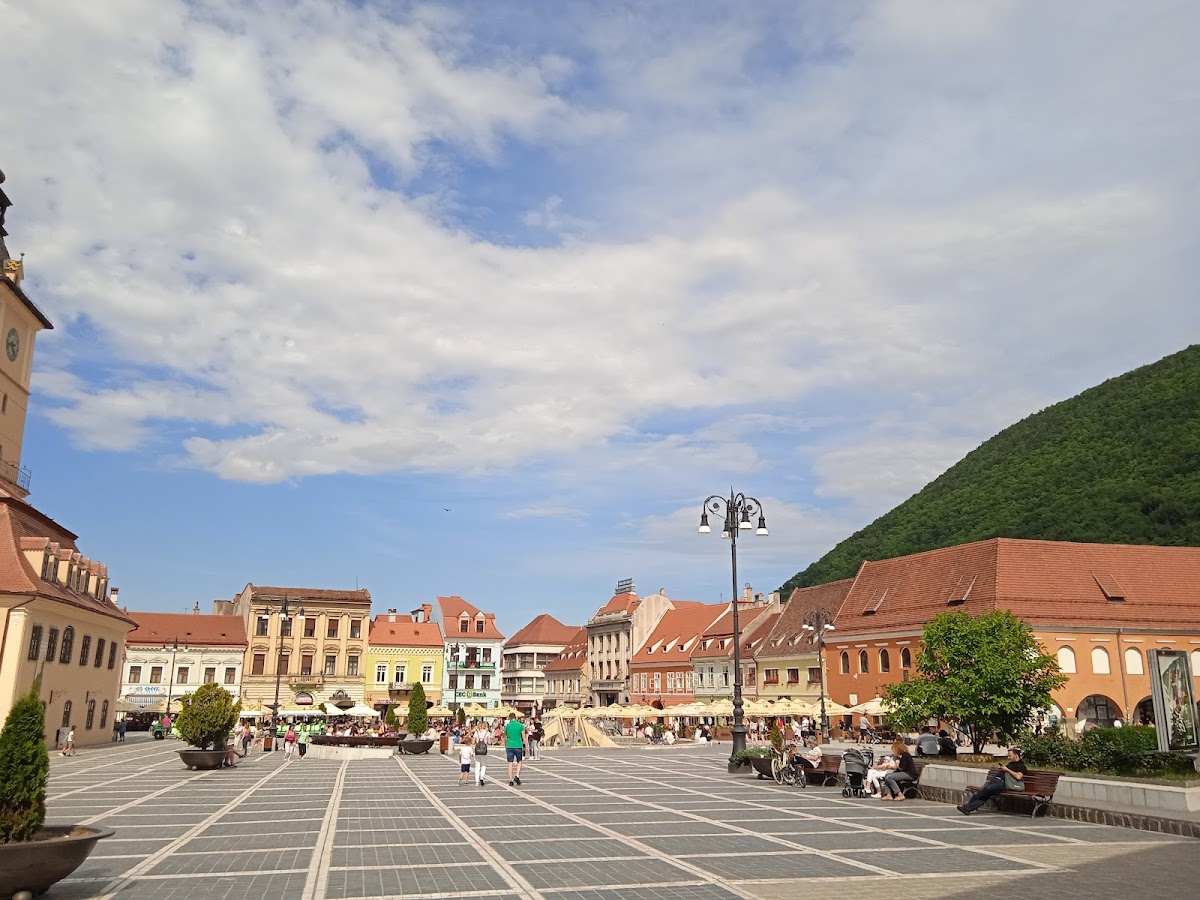
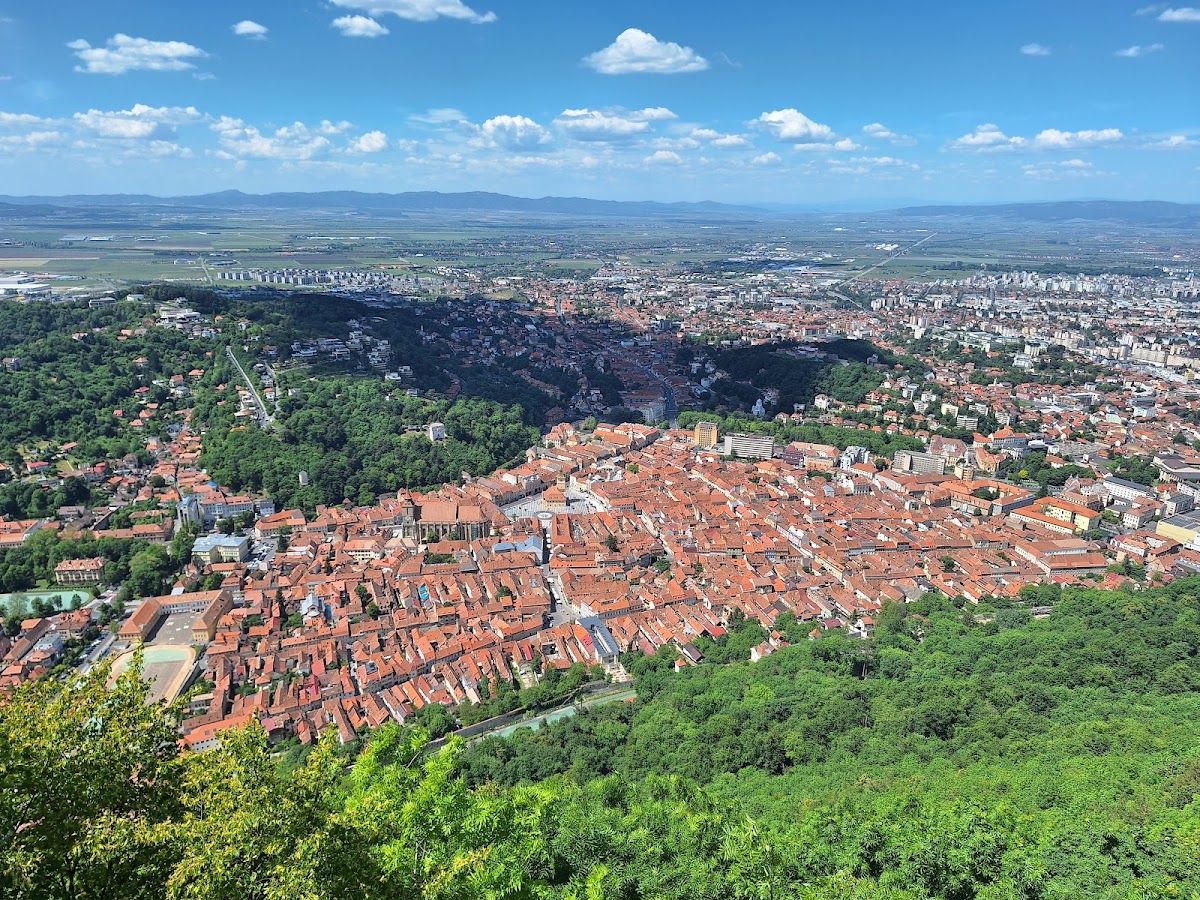
Brasov, with a population of approximately 250,000 inhabitants, is the most visited city in Transylvania and the ideal starting point for any journey in the region. Piata Sfatului, one of the most beautiful medieval squares in Eastern Europe, is surrounded by colorful buildings from the 16th–18th centuries and dominated by the Black Church — the largest Gothic place of worship in southeastern Europe (length: 89 m, width: 38 m). The cobblestone streets of the old town, the White Tower, the Black Tower, the Weavers' Bastion, and Rope Street (one of the narrowest streets in Europe, only 1.32 m wide) complete an unforgettable walk. From Tampa (955 m altitude), accessible by cable car, the panorama over the city is spectacular.
Bran Castle — The Legend of Dracula
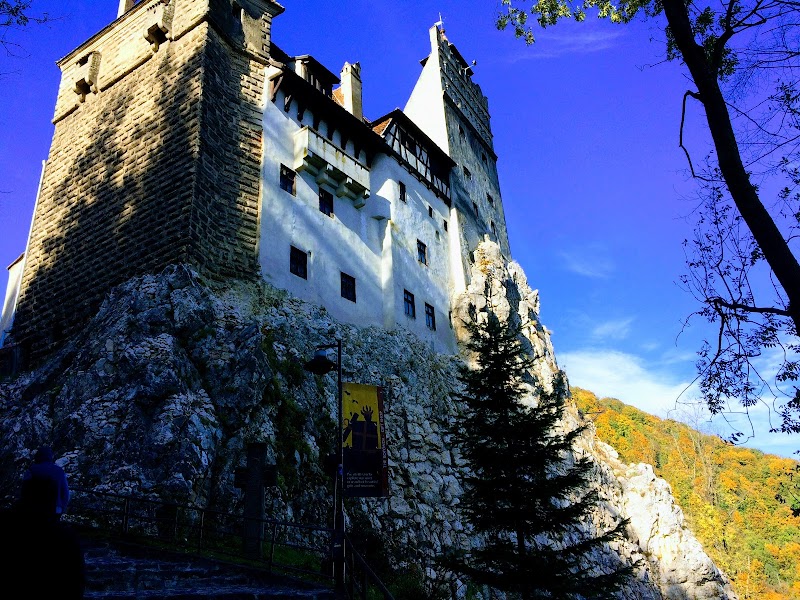
Just 30 km from Brasov, Bran Castle is the most visited tourist attraction in Romania, with over 800,000 visitors annually. Known worldwide as “Dracula's Castle” due to its association with Bram Stoker's novel, the castle dates back to the 14th century and impresses with its strategic position on a hill and secret passages. The permanent museum inside presents the life of the Romanian royal family, and the medieval market at the base offers souvenirs and local products.
Sibiu — European Capital of Culture
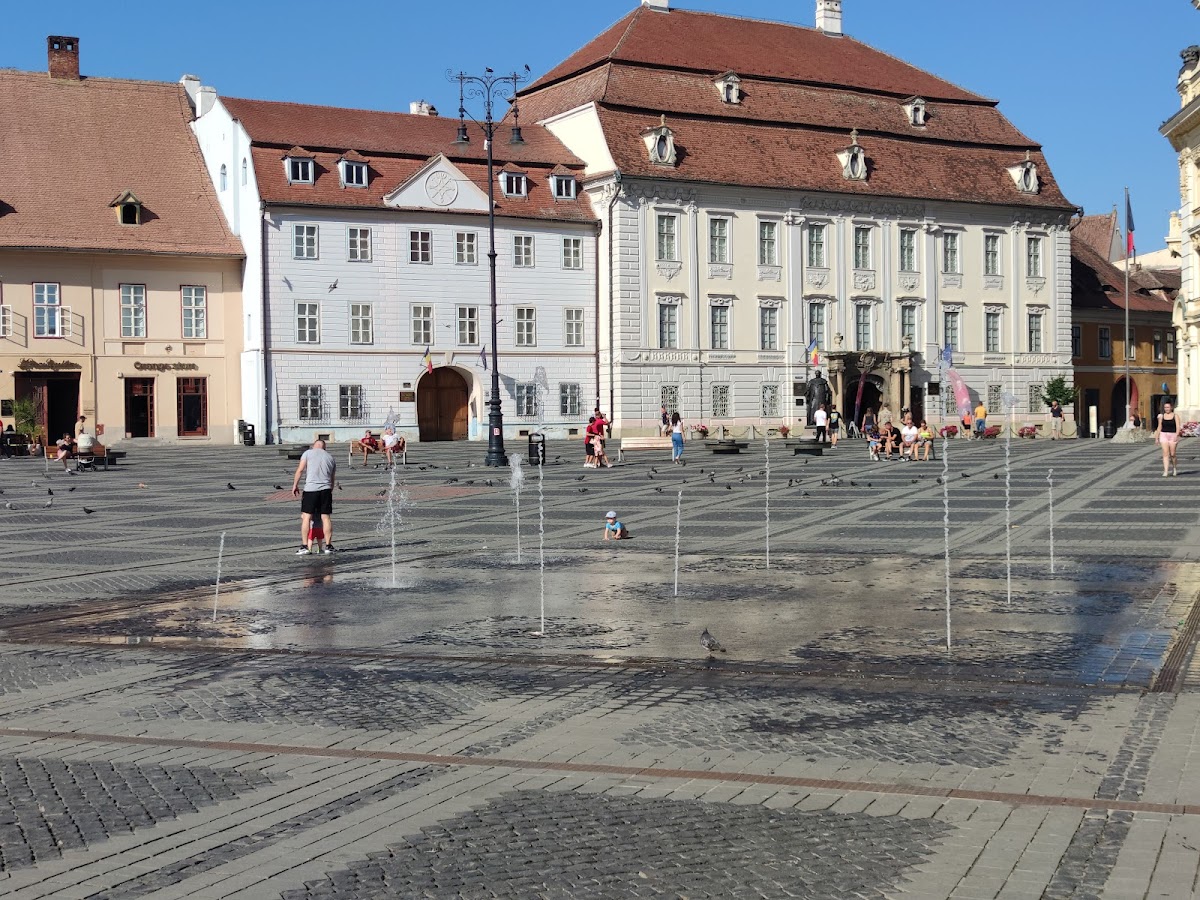
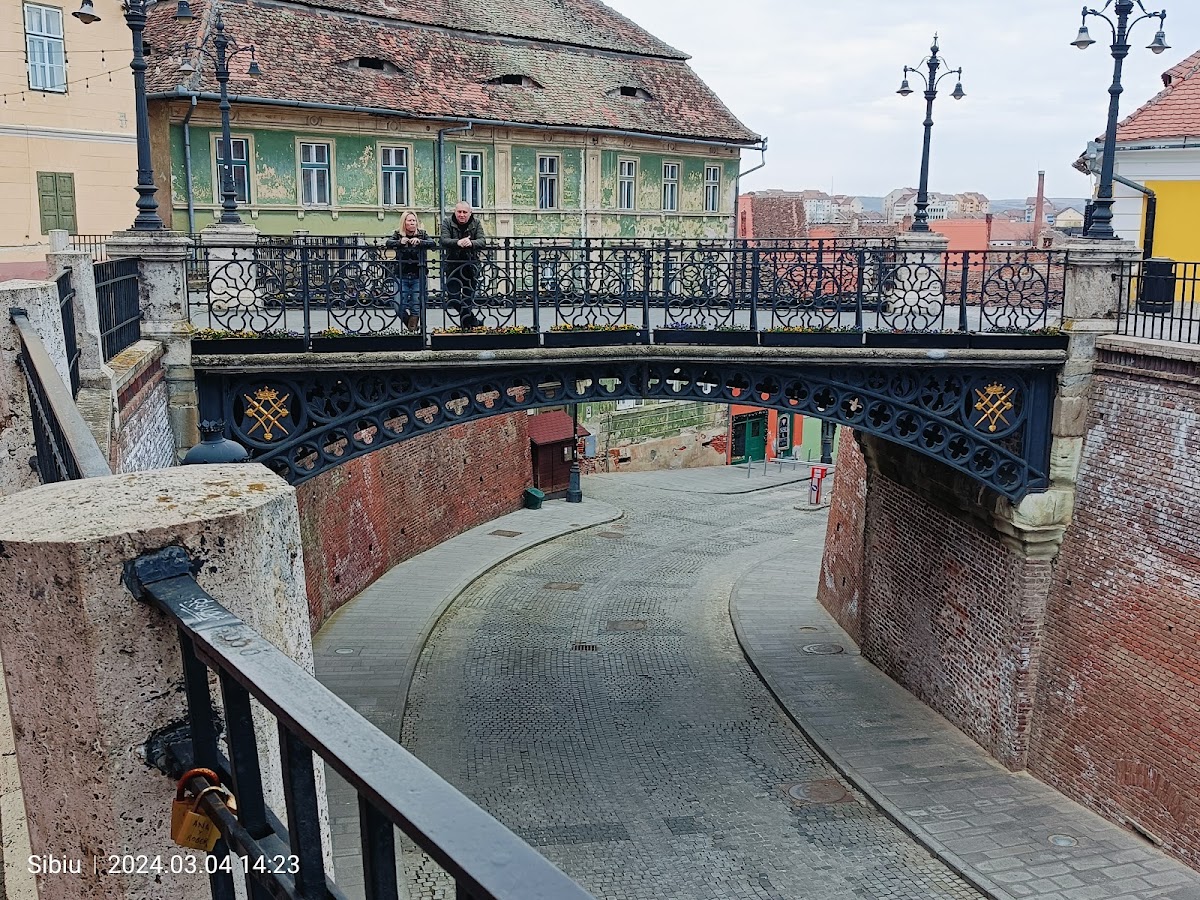
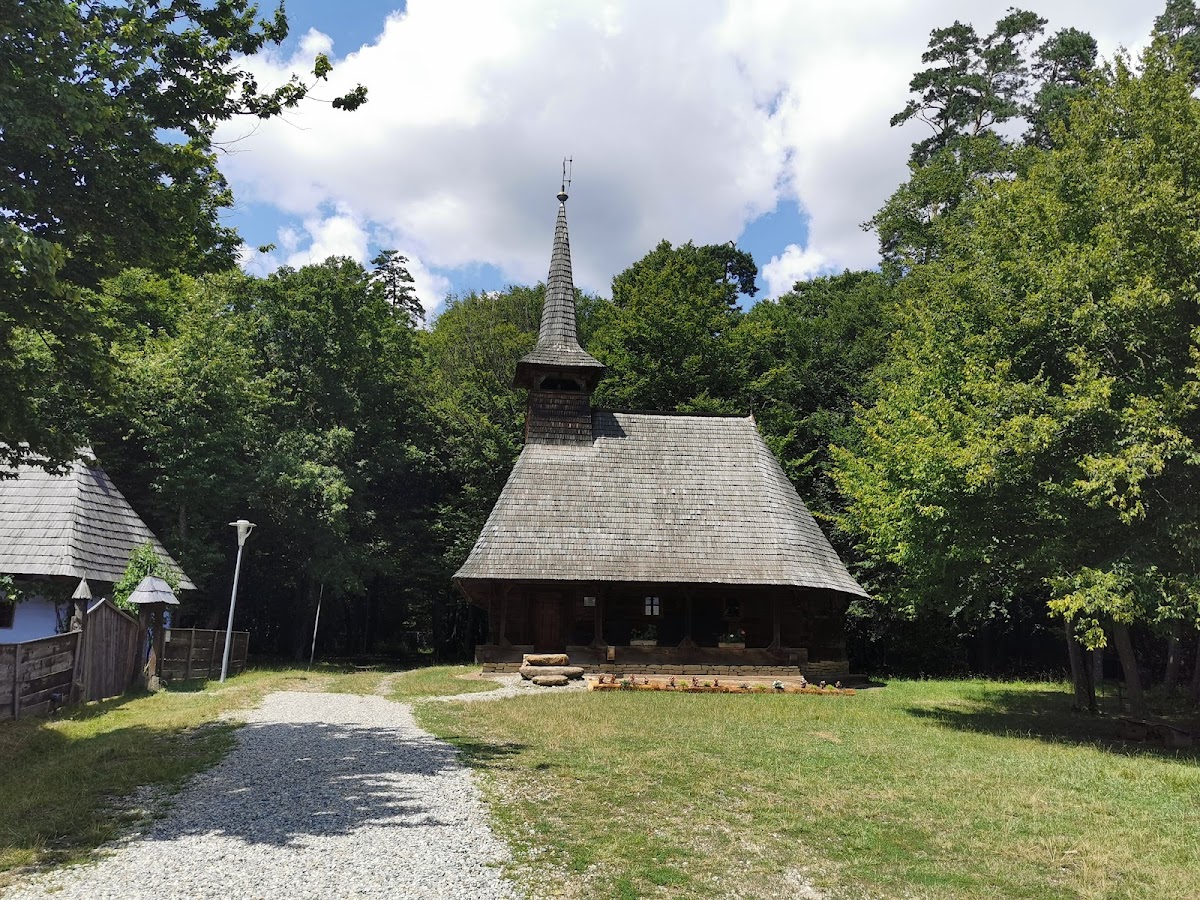
Sibiu, designated as the European Capital of Culture in 2007, fascinates with its two medieval squares — Piata Mare and Piata Mica — the Bridge of Lies (the first iron bridge in Romania, 1859), buildings with “eyes” on the roofs, and a vibrant cultural scene. The Brukenthal National Museum, opened in 1817, is one of the oldest museums in Europe. The ASTRA Museum of Traditional Folk Civilization, the largest open-air museum in Romania (96 ha, over 400 constructions), offers an immersion into traditional rural life. The International Theatre Festival (FITS), Jazz Festival, and ARTmania attract tens of thousands of spectators annually.
Sighisoara — The Living Medieval Fortress
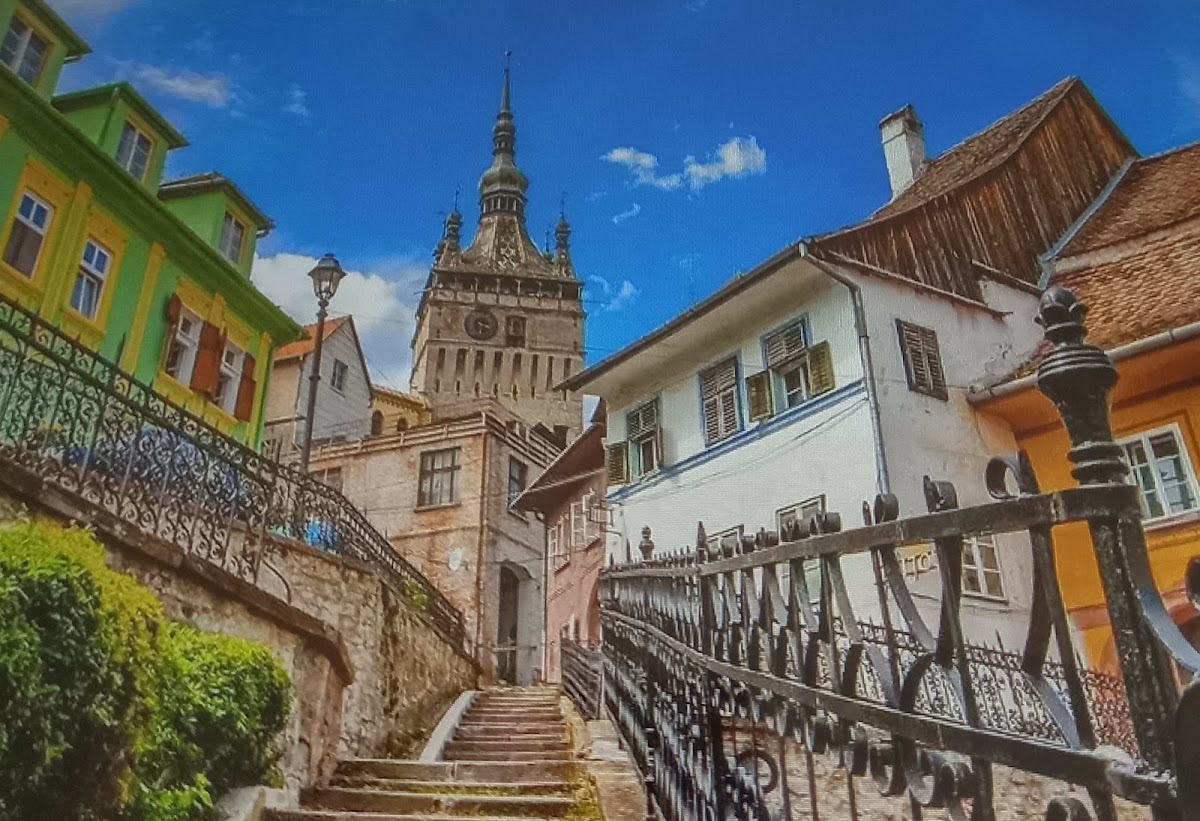
Sighisoara is one of the few medieval fortresses in Europe still permanently inhabited, included in the UNESCO World Heritage since 1999. The Clock Tower (64 m high, built in the 14th century), narrow cobblestone streets, the 9 preserved defense towers, and colorful houses with 16th-century facades create a fairytale atmosphere. The house where Vlad Tepes was born (1431) is now a restaurant and museum. The Medieval Festival in July, with historical reenactments, music, and crafts, transforms the city into a journey back in time.
Saxon Fortified Churches — UNESCO Heritage
Transylvania hosts over 150 Saxon fortified churches, of which 7 are included in the UNESCO World Heritage: Biertan, Viscri, Prejmer, Saschiz, Darjiu, Valea Viilor, and Calnic. These unique monuments, built between the 13th–16th centuries, tell the story of the Saxon communities that lived here for 800 years. Viscri, made famous by King Charles III of the United Kingdom who owns a property in the village, offers an authentic rural experience with restored houses, traditionally made burduf cheese, and absolute tranquility. Prejmer has the largest peasant fortress in southeastern Europe, with 272 supply rooms in the defense walls.
Cluj-Napoca — The De Facto Capital of Transylvania
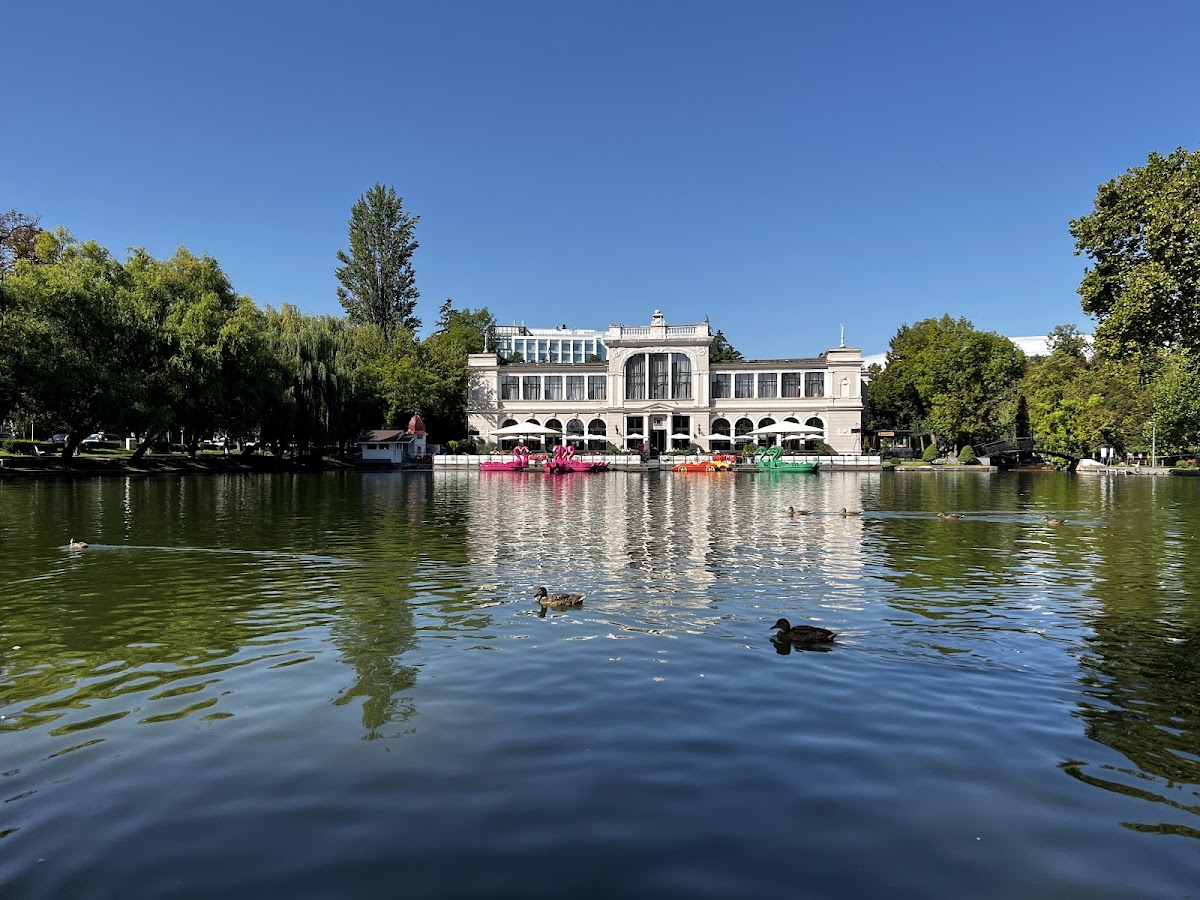
Cluj-Napoca, the largest city in Transylvania (330,000 inhabitants), is a vibrant university, cultural, and technological center. Unirii Square with St. Michael's Church (Gothic style, 14th–15th century), the Alexandru Borza Botanical Garden, the Art Museum, and the dynamic nightlife make Cluj a modern urban destination with medieval roots. The TIFF (film), Electric Castle (music), and Untold (the largest music festival in Romania) festivals have transformed Cluj into an international cultural hub.
Nature and Landscapes in Transylvania
The landscapes of Transylvania are spectacular and varied, from the green pastures of Tara Fagarasului to the wild peaks of the Southern Carpathians.
Transfagarasan (DN7C), considered by Top Gear as “the most beautiful road in the world,” crosses the Fagaras Mountains at a maximum altitude of 2,042 m (Balea Lake). The 151 km road, with spectacular hairpin turns and tunnels, offers breathtaking panoramas. The Fagaras Mountains host Romania's highest peak — Moldoveanu (2,544 m) — and are ideal for multi-day hikes on the main ridge.
Piatra Craiului National Park offers the longest limestone ridge in the country (25 km), and Turda Gorge (3 km long, walls 200–300 m high) is a paradise for climbing and easy hikes. Lake Sfanta Ana, the only volcanic lake in Romania (located at 946 m altitude in the Ciomatu volcano crater), Seven Ladders Canyon, and Scarisoara Cave in the Apuseni Mountains complete an extraordinary natural offer. Transylvania also hosts the largest population of brown bears in Europe (approximately 6,000 specimens).
Gastronomy and Local Products of Transylvania
The Transylvanian cuisine is rich, hearty, and influenced by Romanian, Hungarian, and Saxon traditions. Signature dishes include: Transylvanian stew with polenta, egg, and cheese, kurtoskalacs (the Szekler cake baked on a spit, originating from Sfantu Gheorghe), bean soup with smoked ham in bread, Cluj-style cabbage (deconstructed stuffed cabbage with meat and sour cream), gulyasleves (cauldron goulash), and Transylvanian papanasi.
Cheeses from the sheepfold — urda, burduf, Sibiu cheese — are artisanally produced following recipes passed down through generations. The vineyards of Tarnave (Jidvei, Blaj) produce exceptional white wines, especially Feteasca Regala and Sauvignon Blanc, while the Lechinta vineyard is renowned for Muscat Ottonel. Small artisanal factories in Saxon villages offer elderflower syrups, honey, zacusca, and wild berry jams.
The Best Time to Visit Transylvania
Transylvania can be visited all year round, each season offering a different experience:
- Summer (June–September) — ideal for mountain hikes, exploring fortresses, and festivals (Untold, Electric Castle, FITS, Sighisoara Medieval Festival). Temperatures of 22–30°C in cities, 15–20°C in the mountains. Transfagarasan is usually open from June to October.
- Autumn (September–October) — spectacular landscapes with colorful leaves, harvest festivals, mulled wine, and authentic rural tourism. Pleasant temperatures of 15–22°C.
- Winter (December–February) — magical Christmas markets in Sibiu, Brasov, and Cluj, skiing in Poiana Brasov and Predeal, fairytale snowy landscapes. Temperatures from -5 to 5°C.
- Spring (April–May) — orchard blossoms, relaxed pace, lower prices, and fewer tourists. Ideal for trips to Saxon villages and guesthouses.
How to Get to Transylvania
Transylvania is well connected both by air and road:
- Cluj-Napoca International Airport (CLJ) — the largest in Transylvania, with direct flights from London, Paris, Rome, Milan, Berlin, Madrid, Vienna, and over 40 other European destinations.
- Sibiu Airport (SBZ) and Targu Mures Airport (TGM) — convenient alternatives with low-cost flights.
- By car from Bucharest — 2.5–3 hours to Brasov on the A3 motorway + DN1, 4–5 hours to Sibiu.
- By train — InterRegio and InterCity connect Brasov, Sibiu, and Cluj-Napoca to Bucharest (2.5–5 hours).
Frequently Asked Questions About Transylvania
What is the best base city for exploring Transylvania?
Brasov is the most recommended due to its central location, proximity to Bran Castle, Poiana Brasov, and Predeal, as well as excellent tourist infrastructure. Sibiu is ideal for cultural tourism, while Cluj-Napoca is perfect for nightlife and festivals.
How many days are needed to visit Transylvania?
A stay of 5–7 days allows visiting the main attractions: Brasov (2 days), Bran Castle and Rasnov (1 day), Sibiu (1–2 days), Sighisoara (1 day), and a trip on the Transfagarasan (1 day). For an in-depth exploration with Saxon villages, hikes, and wine tastings, we recommend 10–14 days.
Is there a real connection between Dracula and Transylvania?
Vlad Tepes (Vlad III), the medieval ruler who inspired Bram Stoker's character, was born in Sighisoara in 1431 and ruled Wallachia, not Transylvania. Bran Castle is more associated with the legend as a tourist attraction than historically — Vlad Tepes may have only passed through the castle. However, the medieval atmosphere of the region makes the connection fascinating and worth exploring.
Is the Transfagarasan open all year round?
No. The Transfagarasan (DN7C) is usually open from mid-June to the end of October, depending on weather conditions and snow. Check the road status on the CNAIR website before departure. The section between Curtea de Arges and Cartisoara (km 104–131) is the most spectacular, with Balea Lake at the maximum altitude of 2,042 m.
What local products should I buy from Transylvania?
The most appreciated souvenirs and products: Corund ceramics (Harghita), cheeses from the sheepfold (burduf, urda), blueberry or mountain raspberry jam, honey from local beekeepers, wines from Jidvei or Tarnave, freshly made kurtoskalacs, elderflower or fir syrups, and traditional woolen textile products.
Is Transylvania safe for tourists in 2026?
Yes, absolutely. Romania is a safe country, and Transylvania, in particular, has a well-developed tourist infrastructure. The cities are safe and welcoming. In the mountains, stick to marked trails and be informed about bear presence (especially in Bucegi and Fagaras). The European health insurance card (EHIC) is valid in Romania.