Oltenia is the land of Constantin Brancusi and traditions that withstand time, a region with a strong cultural identity in the southwest of Romania, between the Carpathians and the Danube. With 2 UNESCO sites (Horezu Monastery and Horezu pottery as intangible heritage), a world-class sculptural ensemble, renowned thermal resorts, and characterful vineyards, tourism in Oltenia offers a rich and varied experience. The region covers the counties of Dolj, Gorj, Mehedinti, Olt, and Valcea, with a population of ~2 million inhabitants.
What to Visit in Oltenia
Brancusi Sculptural Ensemble — Targu Jiu
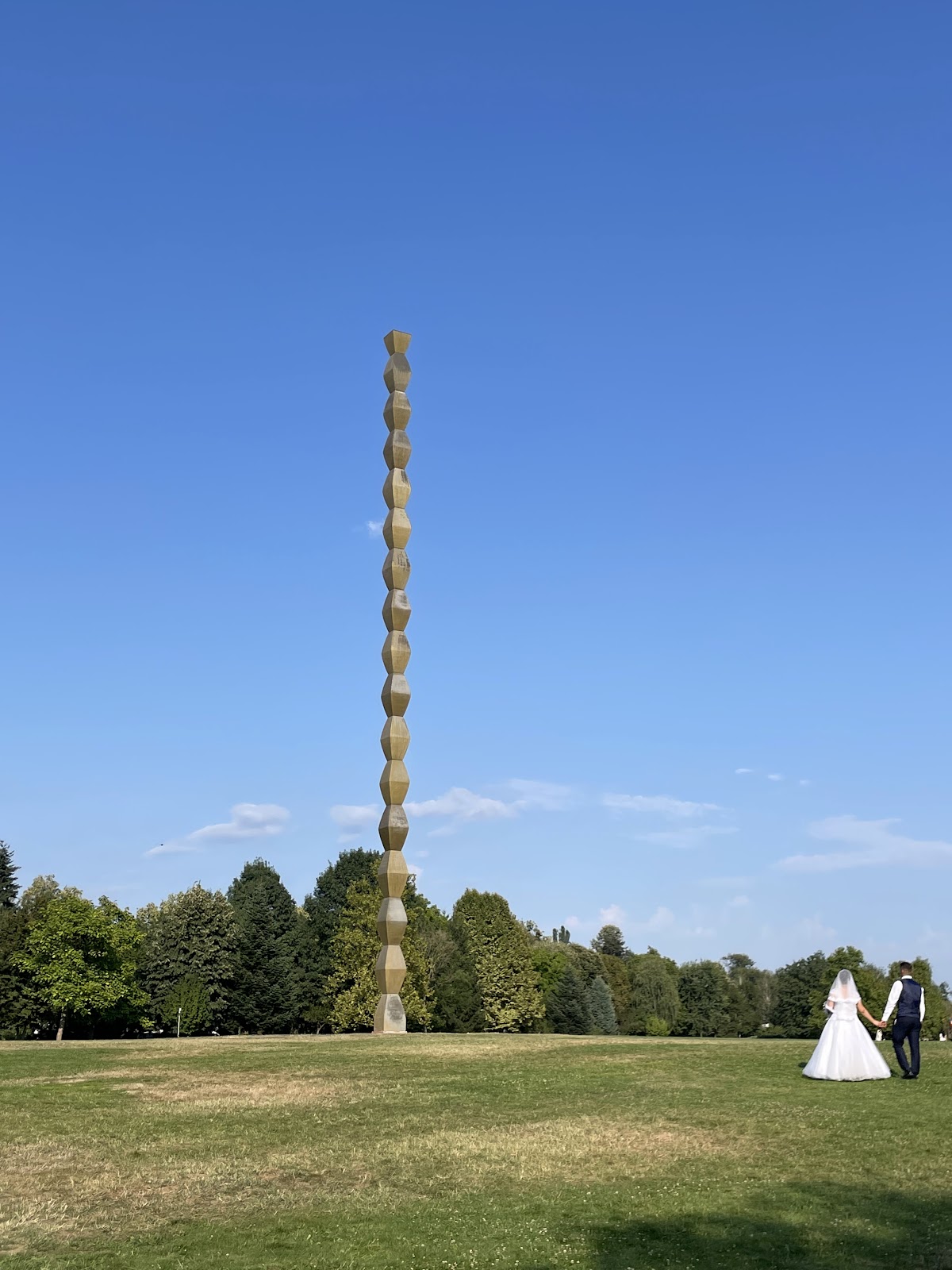
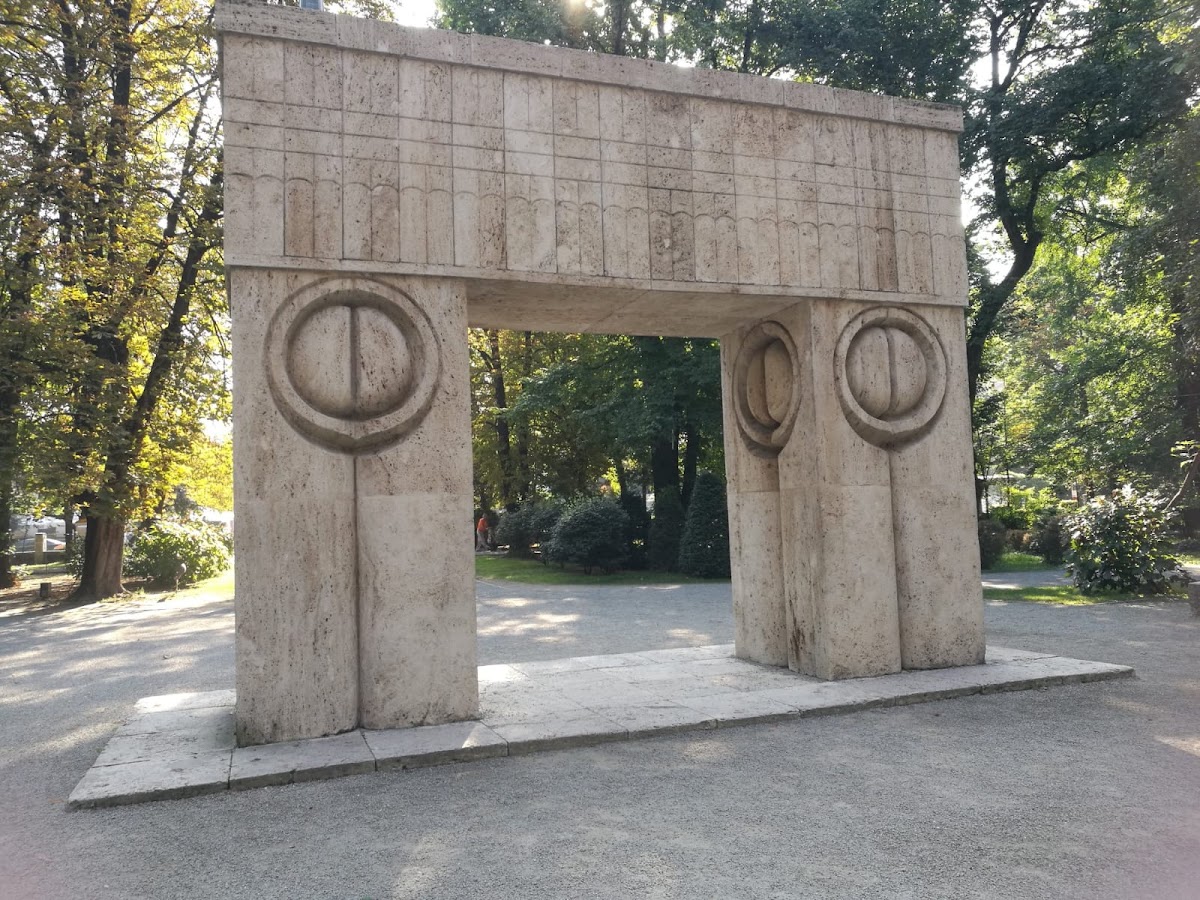
Targu Jiu hosts the sculptural ensemble of Constantin Brancusi, considered one of the most important public art works in the world and a landmark of universal modernist art. The Endless Column (29.35 m high, 15 rhomboidal cast iron modules), the Gate of the Kiss (5.13 m high, travertine), and the Table of Silence (12 hourglass-shaped stone seats) form a monumental axis of 1.5 km celebrating the heroes of World War I. Access is free 24/7, outdoors. The visit takes ~45 minutes on foot.
Horezu Monastery — UNESCO Brancovan Masterpiece
Horezu Monastery, included in the UNESCO World Heritage since 1993, is the most important example of Brancovan architecture in Romania. Built by Prince Constantin Brancoveanu between 1690–1697, the monastery impresses with harmonious proportions, well-preserved murals (over 3,000 m² of frescoes), remarkably fine stone carvings, and the loggia with twisted columns. The Horezu area is also famous for Horezu pottery — listed as UNESCO intangible heritage (2012), with symbolic geometric motifs (Horezu rooster, spiral of life) crafted exclusively by hand.
Thermal Resorts in Valcea
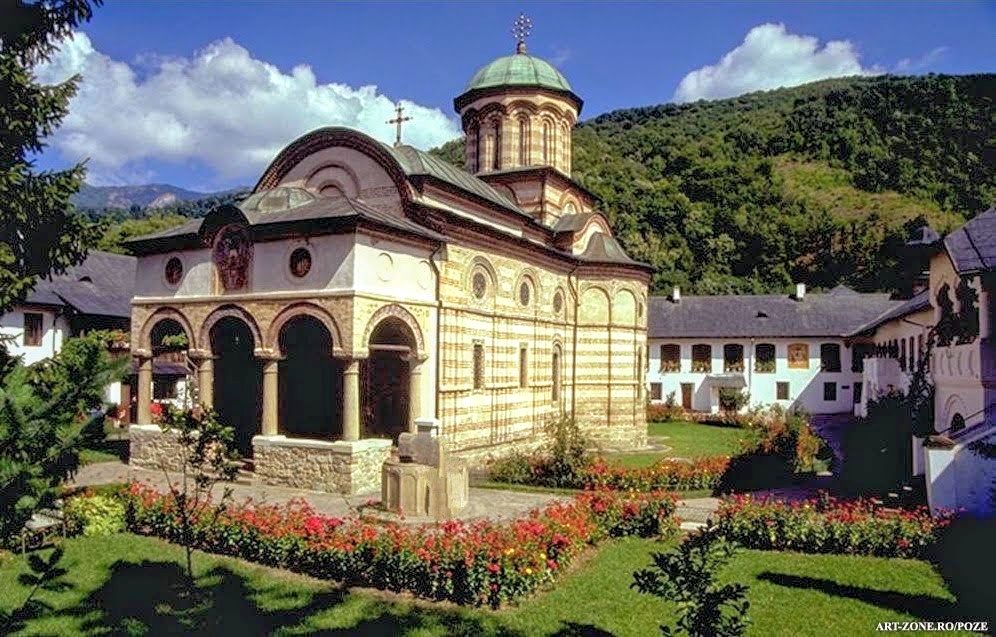
Valcea County hosts the most spa resorts in Romania: Baile Olanesti (over 20 different mineral springs — unique in Europe), Calimanesti-Caciulata, Baile Govora, and Ocnele Mari (with a tourist-friendly salt mine). The mineral, saline, and sulfurous waters are recommended for digestive, rheumatic, and respiratory ailments. The area is also the starting point for excursions to the monasteries of northern Oltenia — Cozia (14th century, the oldest monastery in Oltenia), Turnu, Stanesti.
Nature and Landscapes in Oltenia
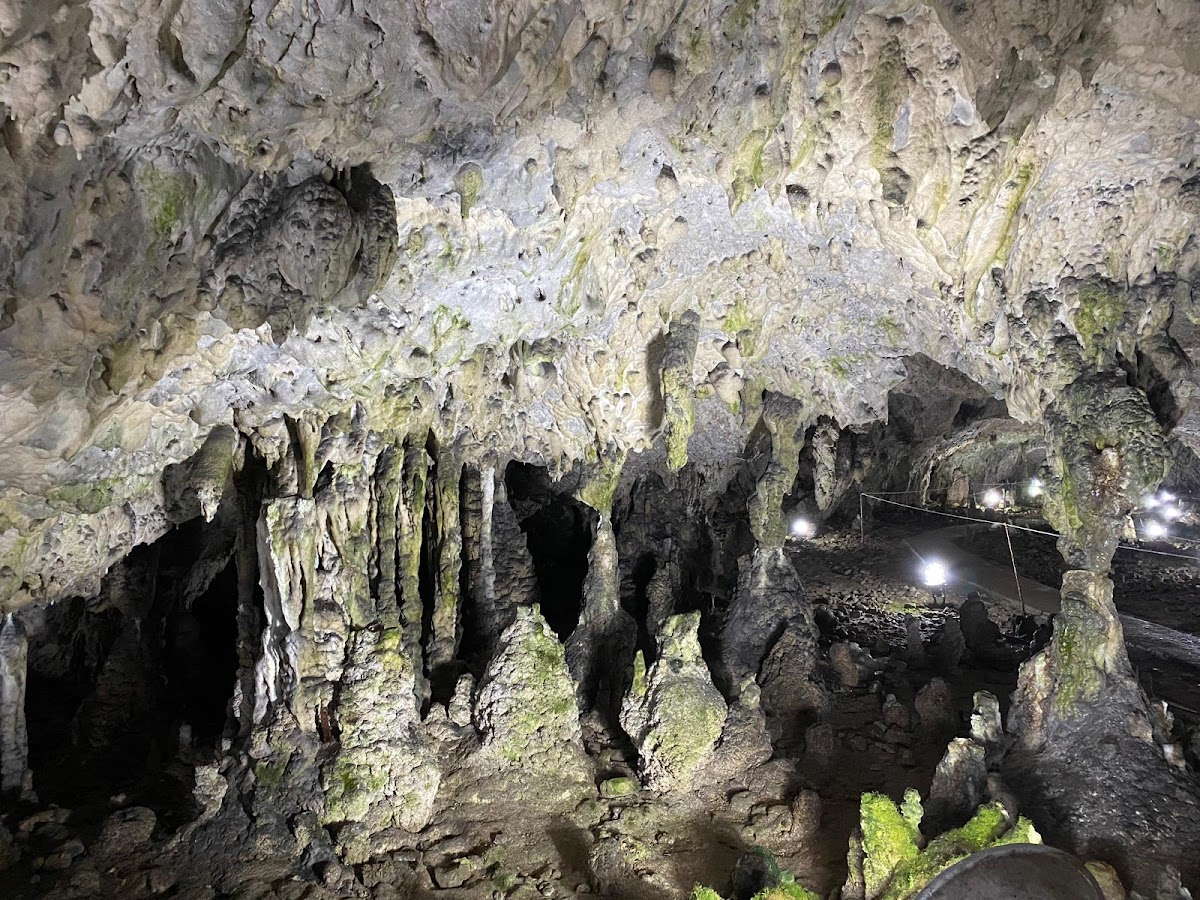
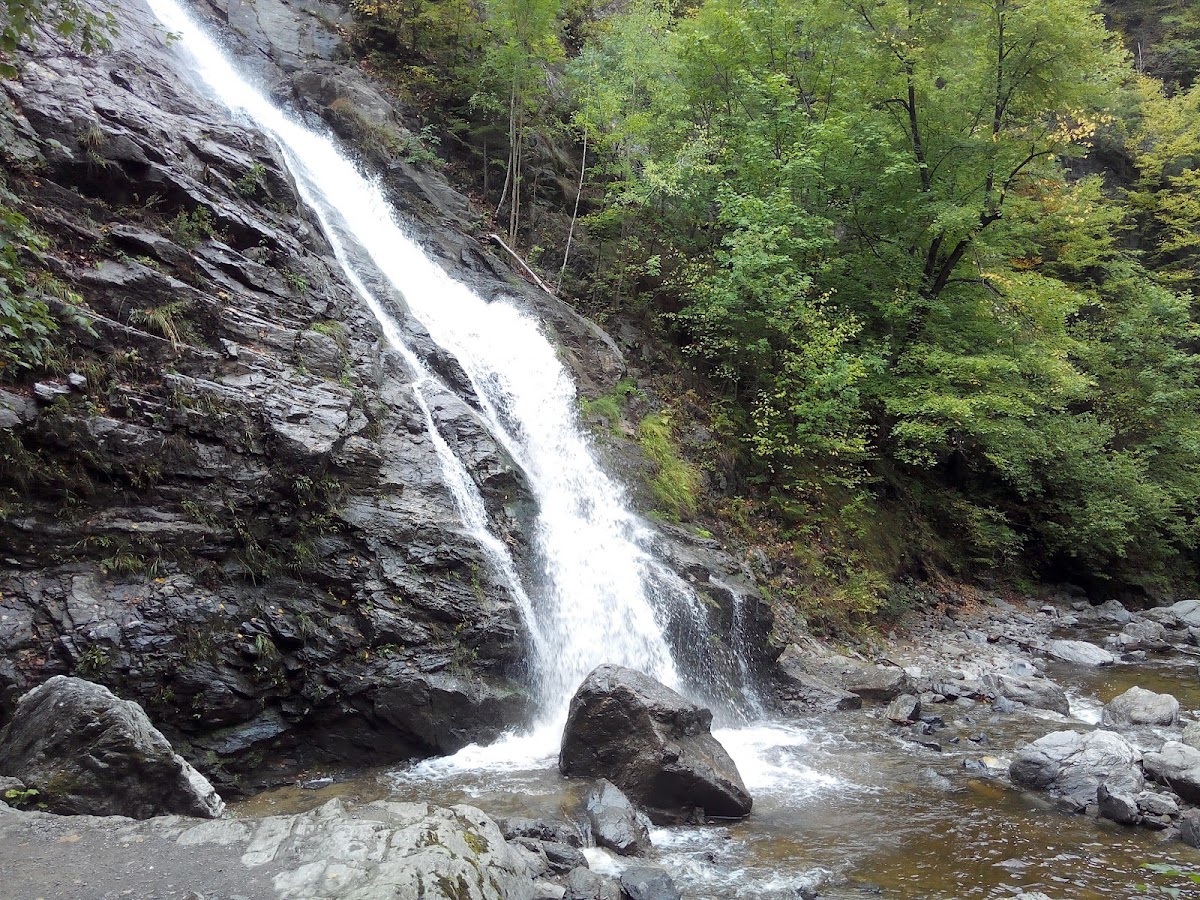
Oltenia offers varied landscapes: Oltetului Gorges (10 km of spectacular gorges, hiking trails of 3–5 hours), Domogled–Valea Cernei National Park (the largest concentration of endemic black pine in Romania), Muierilor Cave (1.5 km developed, with traces of Paleolithic habitation) and Polovragi Cave (with spectacular stalactite formations). Jiului Gorge (33 km), flanked by cliffs and forests, offers a spectacular road between Targu Jiu and the Jiu Valley.
Oltenian Gastronomy and Wines
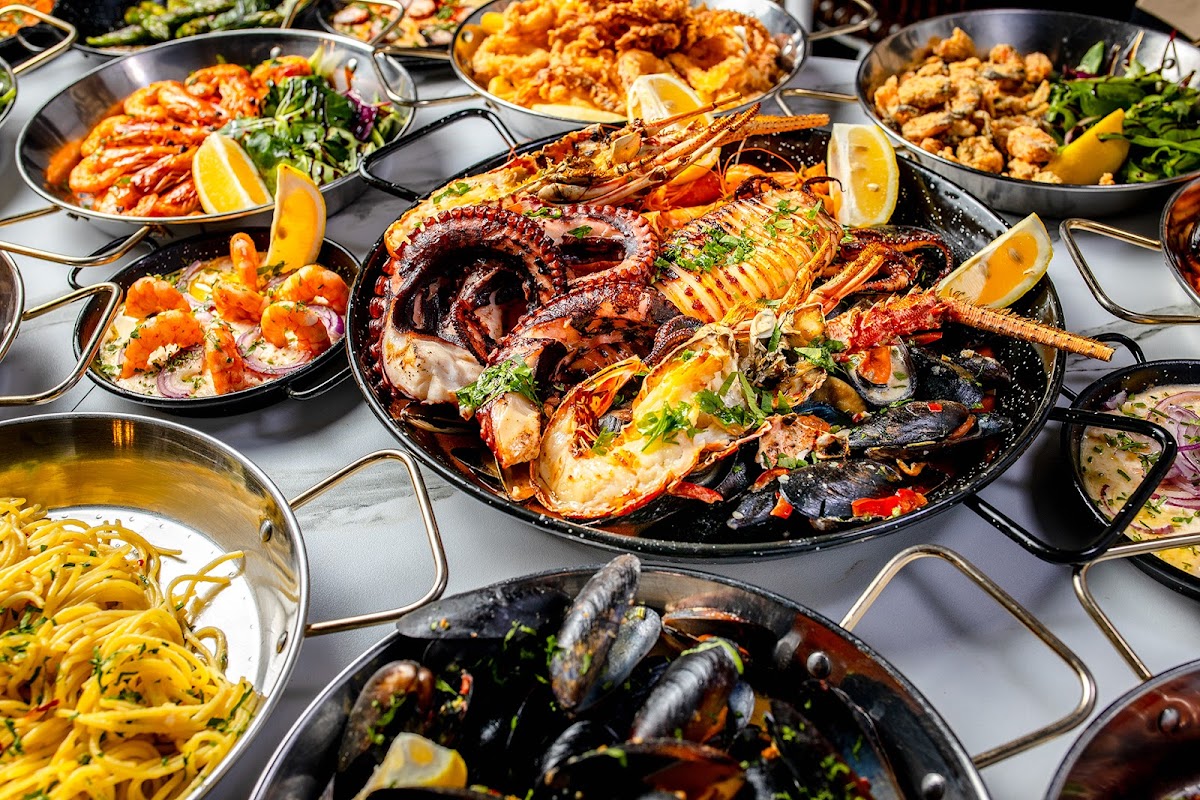
Oltenian cuisine is savory, spicy, and generous. Iconic dishes: Oltenian sarmale (smaller, spicier, in pickled cabbage leaves with hot pepper), lamb soup with borscht and lovage, chicken stew with cream and garlic, homemade zacusca (a regional specialty), and the famous Oltenian cozonac with walnuts and Turkish delight. The vineyards of Dragasani and Samburesti produce characterful wines — the native varieties Negru de Dragasani, Novac, and Cramposie Selectionata are appreciated by connoisseurs.
The Best Time to Visit
- Spring and Autumn — ideal for monastery tours, hiking, and wine tasting.
- Summer — excellent conditions for hiking in the Oltetului Gorges and cave excursions.
- Winter — the thermal resorts in Valcea are perfect for relaxation. Christmas markets in Craiova.
How to Get to Oltenia
- Craiova Airport (CRA) — domestic flights and a few international routes.
- By car from Bucharest — 2.5 hours to Craiova (230 km on A1), 3.5 hours to Targu Jiu.
- By train — Bucharest–Craiova: 3–4 hours. Craiova–Targu Jiu: 2 hours.
Frequently Asked Questions about Oltenia
Can I visit the Brancusi Ensemble for free?
Yes. The Endless Column, Gate of the Kiss, and Table of Silence are outdoors, in Central Park and on the banks of the Jiu, accessible for free 24/7. The complete route of 1.5 km takes ~45 minutes on foot. There is no entrance fee.
Where can I buy authentic Horezu pottery?
The best places: pottery workshops in Olari village and Romani (near Horezu). Look for UNESCO-certified craftsmen. Prices range from 20 lei (simple plate) to 200+ lei (decorative pieces). The Horezu Pottery Fair (June) is the perfect opportunity for direct purchases from artisans.
Which thermal resort in Oltenia do you recommend?
Baile Olanesti — the widest variety of mineral waters in the country (20+ springs). Calimanesti-Caciulata — modern treatment base, close to Cozia Monastery. Ocnele Mari — tourist-friendly salt mine, recommended for respiratory conditions. The choice depends on the ailment and preferences.