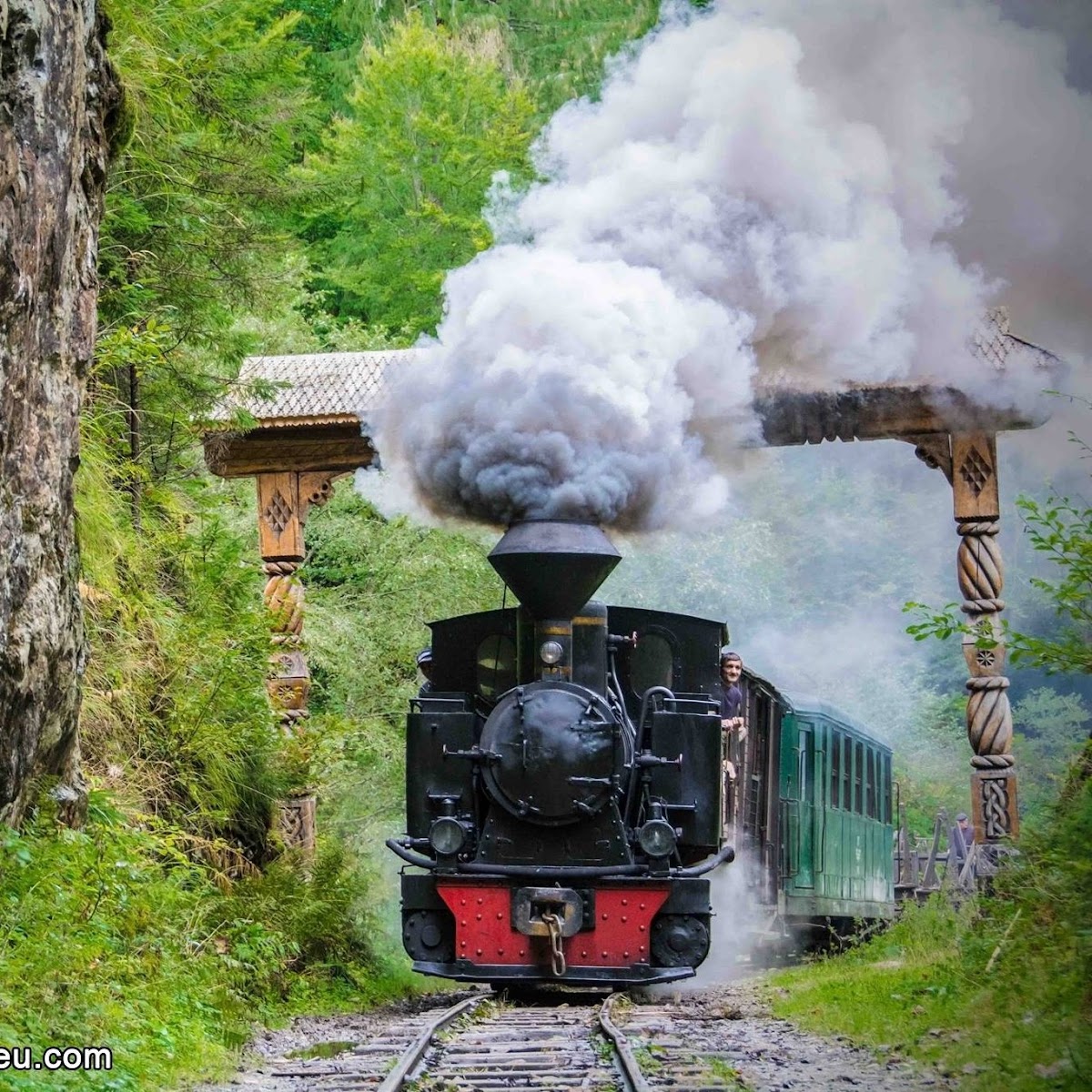
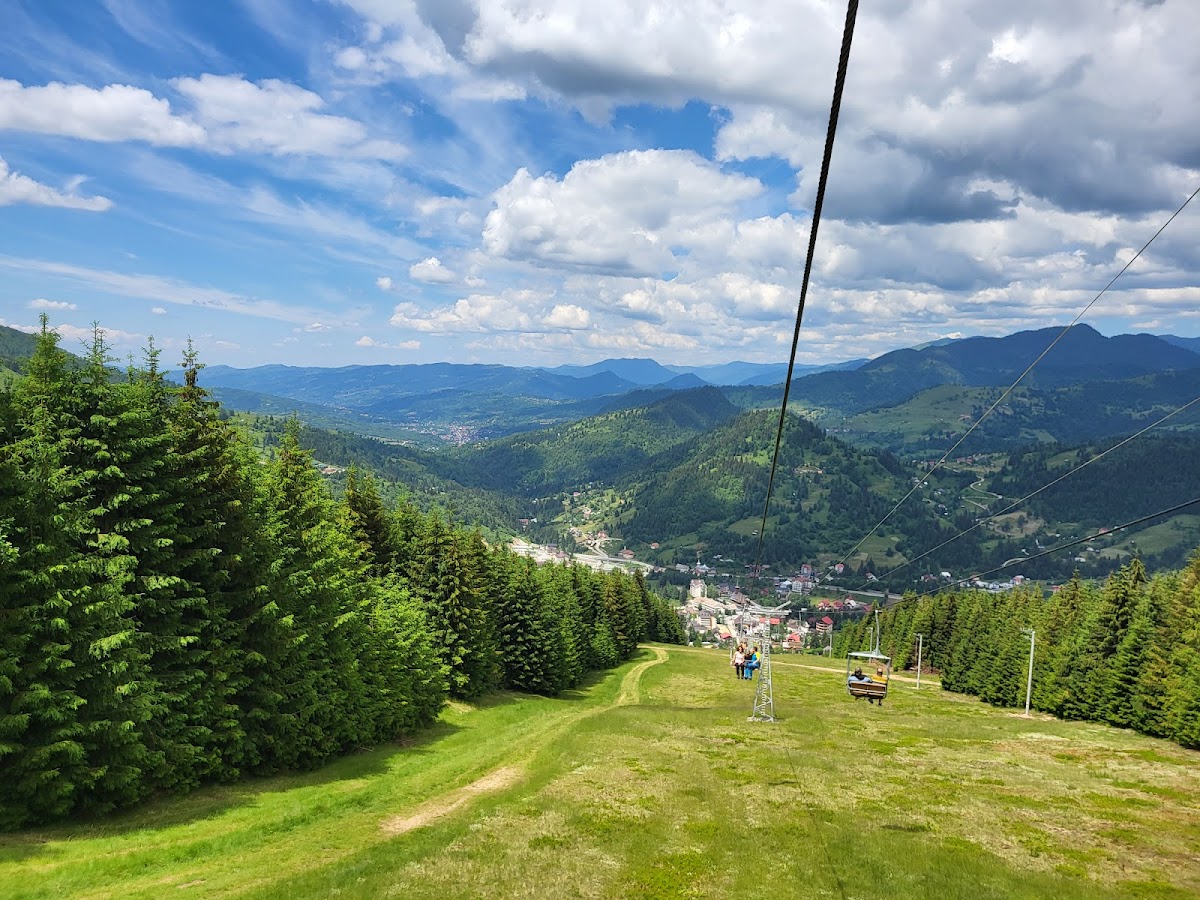
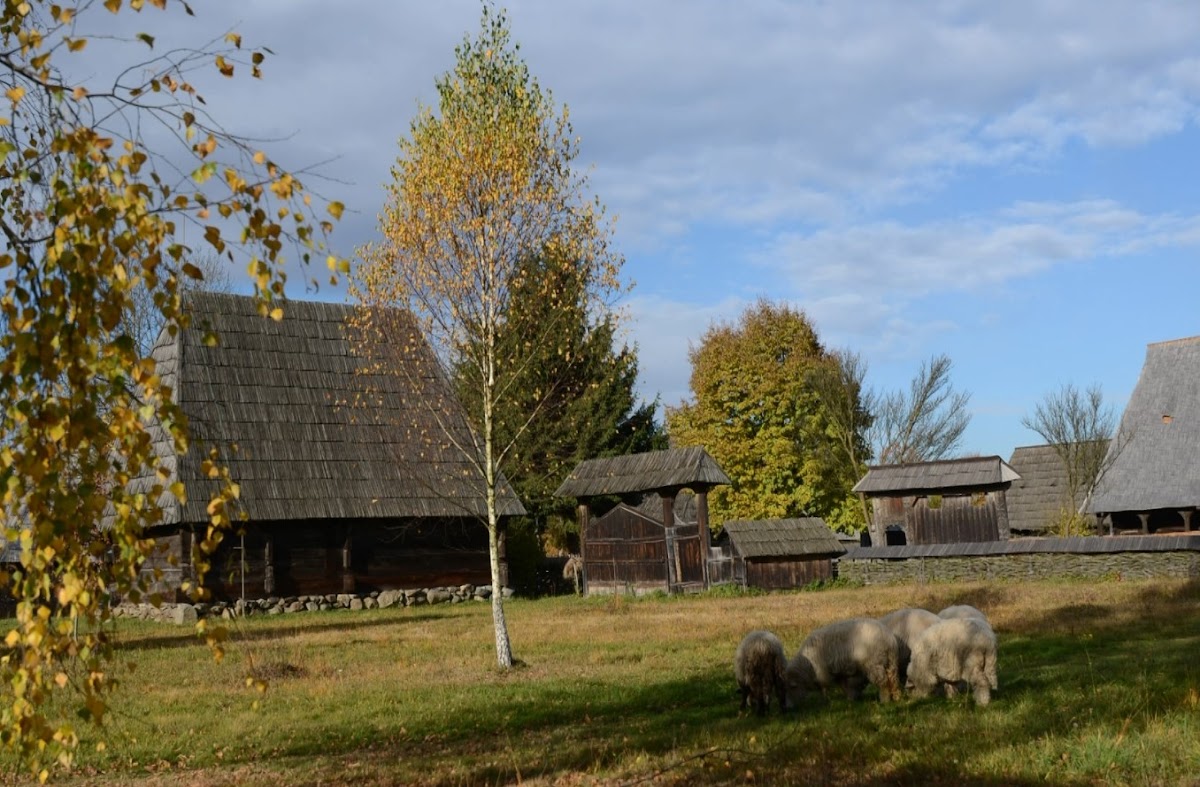
Maramures is the land where time seems to stand still, a unique region in Europe where ancient traditions are still part of everyday life. With a population of approximately 460,000 and a predominantly mountainous and hilly landscape, Maramures is an exceptional tourist destination for those seeking authenticity, spirituality, and fairy-tale landscapes. Here, the green pastures on the hills, ox carts on dirt roads, and majestic oak wood gates create a landscape that seems from another era. Tourism in Maramures is not just about visiting museums — it's an immersion into a living culture.
What to Visit in Maramures
UNESCO Wooden Churches — Masterpieces of Folk Architecture
Eight wooden churches in Maramures have been included in the UNESCO World Heritage since 1999: Barsana, Budesti-Josani, Desesti, Ieud Deal, Plopis, Poienile Izei, Rogoz, and Surdesti. Built exclusively from solid wood, without metal nails, with dovetail joints, these churches defy the laws of physics with their tall towers — the tower at Surdesti reaches 54 m, the tallest wooden tower in Europe. The interiors are decorated with naive paintings on biblical themes, created by local craftsmen in the 17th–18th centuries, impressing with their expressiveness and color.
The Merry Cemetery of Sapanta — A World Unique
The Merry Cemetery is a unique attraction worldwide — a cemetery where death is celebrated with humor, color, and poetry. Over 800 wooden crosses, painted in the characteristic Sapanta blue and engraved with amusing epitaphs in folk verses, tell the life and death of each deceased with irony and warmth. Created by craftsman Stan Ioan Patras starting in 1935, the cemetery has become a symbol of the Maramures philosophy towards life and death. The workshop of his successor, Dumitru Pop Tincu, continues the tradition and can be visited.
Maramures Gates — Art in Oak Wood
Sculpted gates made of oak wood are the visual emblem of Maramures. Each gate is a unique work of art, with solar motifs (rosette), twisted ropes (symbol of continuity), the tree of life, and other ancestral symbols marking the social and spiritual status of the owner. The most impressive examples, with heights up to 5–6 m, are found in Vadu Izei, Barsana, Oncesti, and Desesti. The tradition is alive — many families still order new gates from local craftsmen, and prices range from 3,000 to 15,000 lei.
Authentic Villages and Living Crafts
The villages in Valea Izei (Barsana, Rozavlea, Botiza, Ieud) and Valea Marei (Sapanta, Desesti) offer a total immersion in traditional rural life. In Ieud, you will find the oldest dated wooden church (1364) and the manuscript "Codex of Ieud" — the oldest text in Romanian. In Botiza, women still weave carpets and towels with traditional motifs on looms. The black pottery workshops in Sacel, the wood carving workshops in Barsana, and the lambskin manufacturing in Sapanta are crafts passed down from generation to generation.
Sighetu Marmatiei — Memory and Culture
Sighetu Marmatiei, the largest city in Maramures (~37,000 inhabitants), hosts the Memorial of the Victims of Communism and of the Resistance — an impressive museum set up in the former political prison, dedicated to the sufferings of the communist period. The Maramures Museum and the Ethnographic Museum of the Maramures Village complete a cultural day visit.
Nature and Landscapes in Maramures
Maramures is surrounded by the Maramures, Rodnei, and Gutai Mountains, offering excellent opportunities for hiking and active tourism. Pietrosu Rodnei Peak (2,303 m), the highest in the Eastern Carpathians, offers a medium difficulty trail (6–8 hours round trip). Rodnei Mountains National Park, a UNESCO biosphere reserve, protects virgin spruce forests, alpine fauna, and flora with over 1,000 plant species.
The ancient forest in Creasta Cocosului, the natural reserve Cheile Lapusului, and the alpine pastures in the Gutai Mountains (with wild daffodils blooming in May) offer varied trails for all levels. In winter, the slopes at Cavnic and Borsa-Prislop attract ski enthusiasts in a less crowded setting than the resorts in the Prahova Valley.
Maramures Cuisine
The Maramures cuisine is hearty, authentic, and based on local farm-to-table products. Signature dishes include: balmos (polenta with melted sheep cheese, served with sour cream), beef soup with tarragon, smoked bacon on homemade bread, lamb drob, braided bread, and traditional walnut cakes.
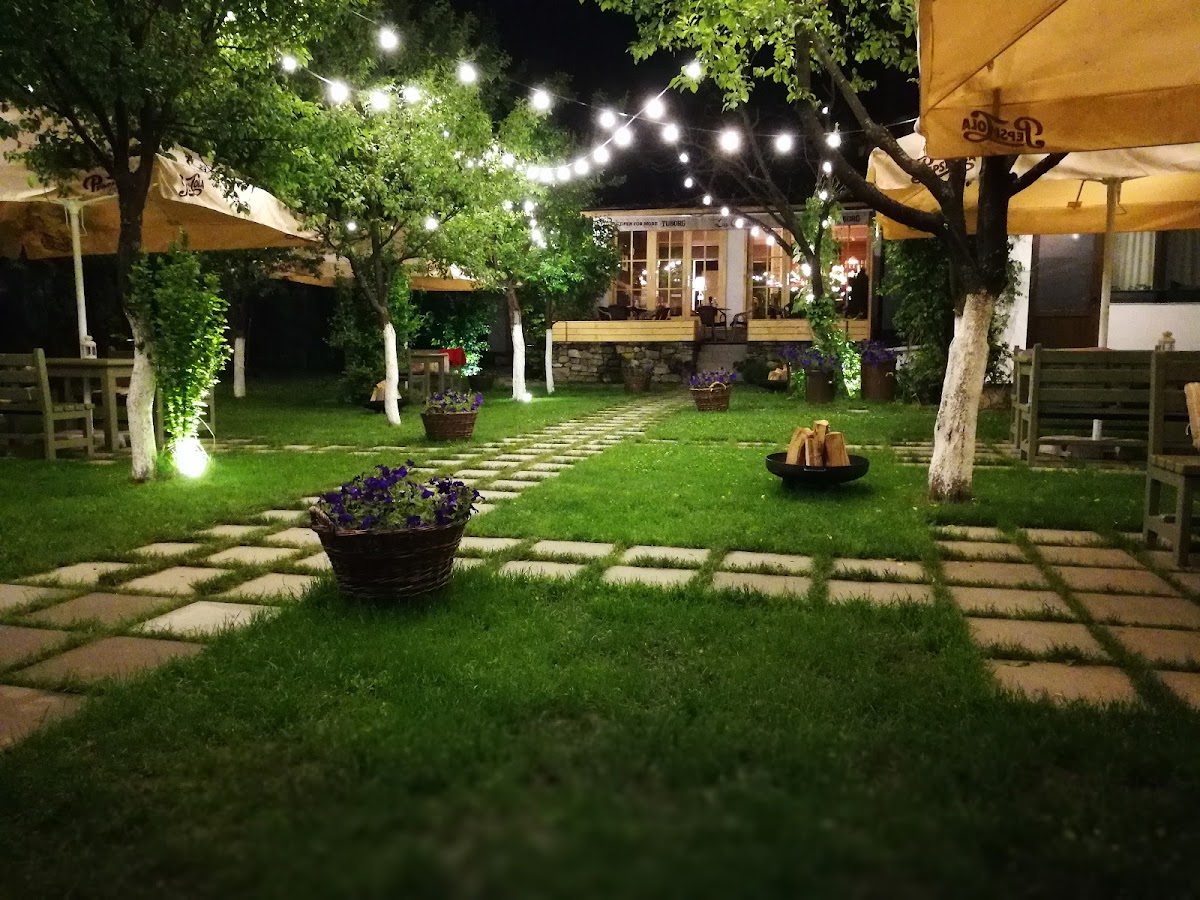
Plum brandy (palinca, horinca), distilled in copper stills at every household, is ritualistic in Maramures — the alcohol concentration can reach 50–60%. Fresh sheep cheeses (jintiita, urda, branza de burduf), smoked pork products in beech wood smoke, and homemade sausages complete a robust cuisine enjoyed at long meals in the courtyards of guesthouses.
Traditions and Events in Maramures
Maramures is famous for its Christmas and New Year traditions: carolers in traditional costumes, the bear dance, masked figures (with fur and wood masks), and the goat animate the villages every winter. Hora la Prislop (the second Sunday in August), the largest folk festival in northern Romania, gathers thousands of participants in traditional costumes on the Prislop Pass. Other must-see events: Marmatia Festival in Sighetu Marmatiei, Saint Elijah's Fair in Botiza, and Easter celebrations with unique folk traditions.
The traditional costume — with embroidered blouses with geometric motifs, wide leather belts, peasant shoes, and catrinta — is worn with pride at holidays, Sundays, and important events. It is not a museum costume, but the everyday attire of the community.
The Best Time to Visit Maramures
- Summer (June–August) — perfect for hiking, village and church visits, with long days and lush greenery. Temperatures of 22–28°C in the valleys.
- Autumn (September–October) — spectacular forest colors, the plum brandy distillation period, and harvest festivals.
- Winter (December–January) — magical due to holiday traditions (carols, masked figures, traditional Christmas). Prepare for temperatures of -10 to 0°C.
- Spring (April–May) — blooming plum and apple orchards, wild daffodils in the Gutai Mountains, relaxed pace, and fewer tourists.
How to Get to Maramures
- Baia Mare Airport — limited domestic flights. Check availability in 2026.
- Cluj-Napoca Airport — 2.5–3 hours by car, the most popular option.
- Satu Mare Airport — 1.5 hours from Sighetu Marmatiei.
- By car from Bucharest — 7–8 hours (520 km). The road through Bistrita and Prislop Pass is spectacular.
- By train — direct routes Bucharest–Baia Mare (10–12 hours) and Bucharest–Sighetu Marmatiei (with change).
For exploring the villages and wooden churches, a car is essential — attractions are spread out on secondary and rural roads. Alternatively, local guides with cars offer personalized tours.
Frequently Asked Questions about Maramures
How many days are needed to visit Maramures?
We recommend at least 3–4 days to see the main attractions: the Merry Cemetery, 2–3 wooden churches, Valea Izei, and a craft workshop. For a complete experience with hiking, authentic villages, and Sighetu Marmatiei, 5–7 days are ideal. Don't rush your visit — Maramures is to be savored slowly.
Can I find accommodation in traditional guesthouses?
Yes, Maramures has an excellent network of traditional guesthouses, especially in Valea Izei (Barsana, Vadu Izei, Botiza, Ieud). Many offer full meals with local products (30–50 lei/person/meal), and the hosts are renowned for their hospitality. Prices range from 150 to 350 lei/night/room. Book in advance during the summer season and holidays.
Is it necessary to have a car to visit Maramures?
Yes, a car is highly recommended as attractions are spread out in villages and on secondary roads. The roads are paved but narrow. Alternatively, you can hire a local guide with a car (200–400 lei/day) or use organized tours from Baia Mare or Sighetu Marmatiei.
What traditional festivals should I not miss in 2026?
Don't miss: Hora la Prislop (the second Sunday in August), Christmas Festival in Sighetu Marmatiei (December), Saint Elijah's Fair in Botiza (July 20), and Easter celebrations with unique folk traditions. Check exact dates on local websites, as some festivals adjust their calendar annually.
Is Maramures suitable for families with children?
Yes, absolutely. Children are fascinated by ox carts, farm animals, craft workshops, and field walks. Traditional guesthouses offer a safe and welcoming environment. Avoid long hikes with small children and choose interactive activities in villages (milking cows, bread making, wood carving).