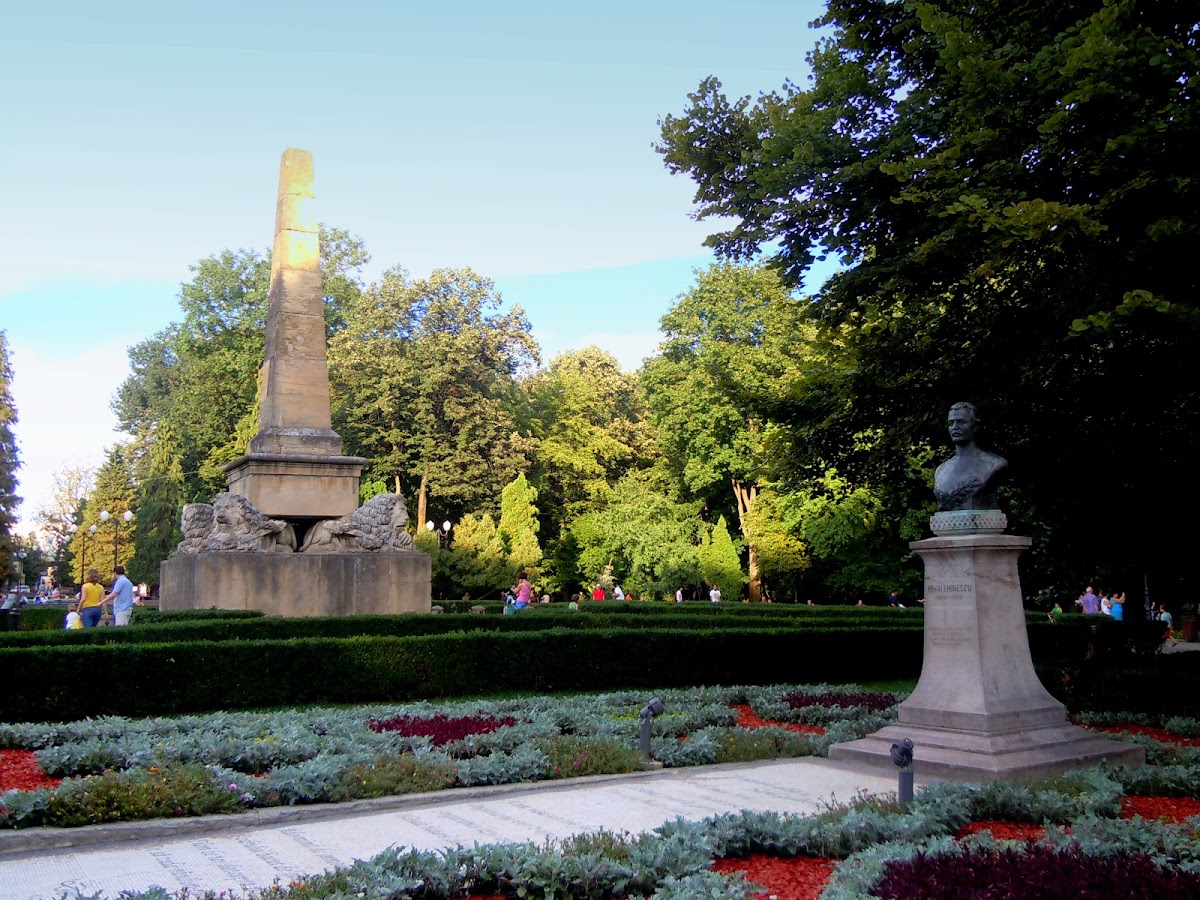
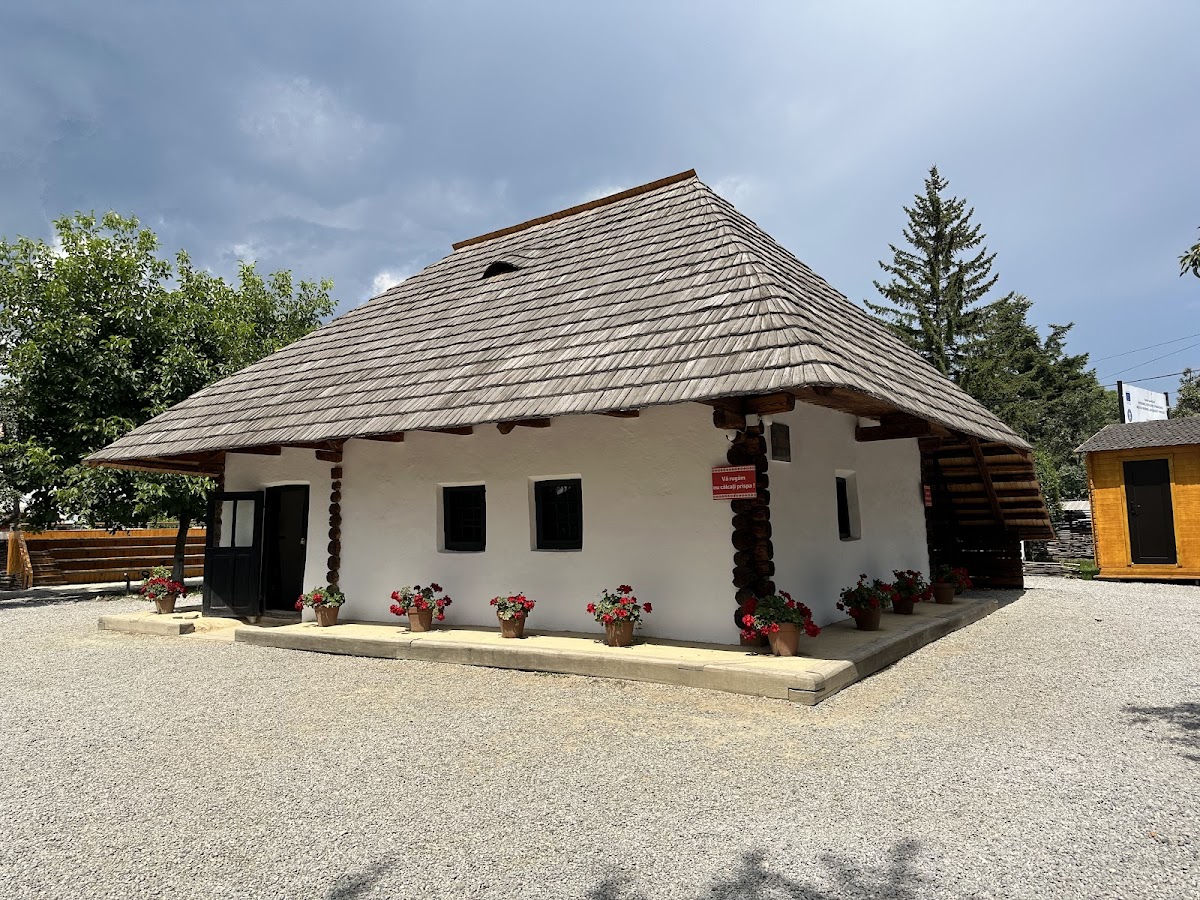
Moldova is the historical region in eastern Romania, a land of vine-covered hills, princely monasteries, and cities with stories. Covering an area of over 50,000 km² and home to approximately 3.8 million people, Moldova is Romania's largest traditional region. The former capital of the Principality of Moldavia, Iasi, is the cultural and academic center of the region, and its vineyards produce some of the country's most acclaimed wines. From the fortresses of Stephen the Great to the dramatic landscapes of the Bicaz Gorges, tourism in Moldova offers a rich and diverse experience, far from the hustle and bustle of mainstream destinations.
What to Visit in Moldova
Iasi — The Cultural Capital of Moldova
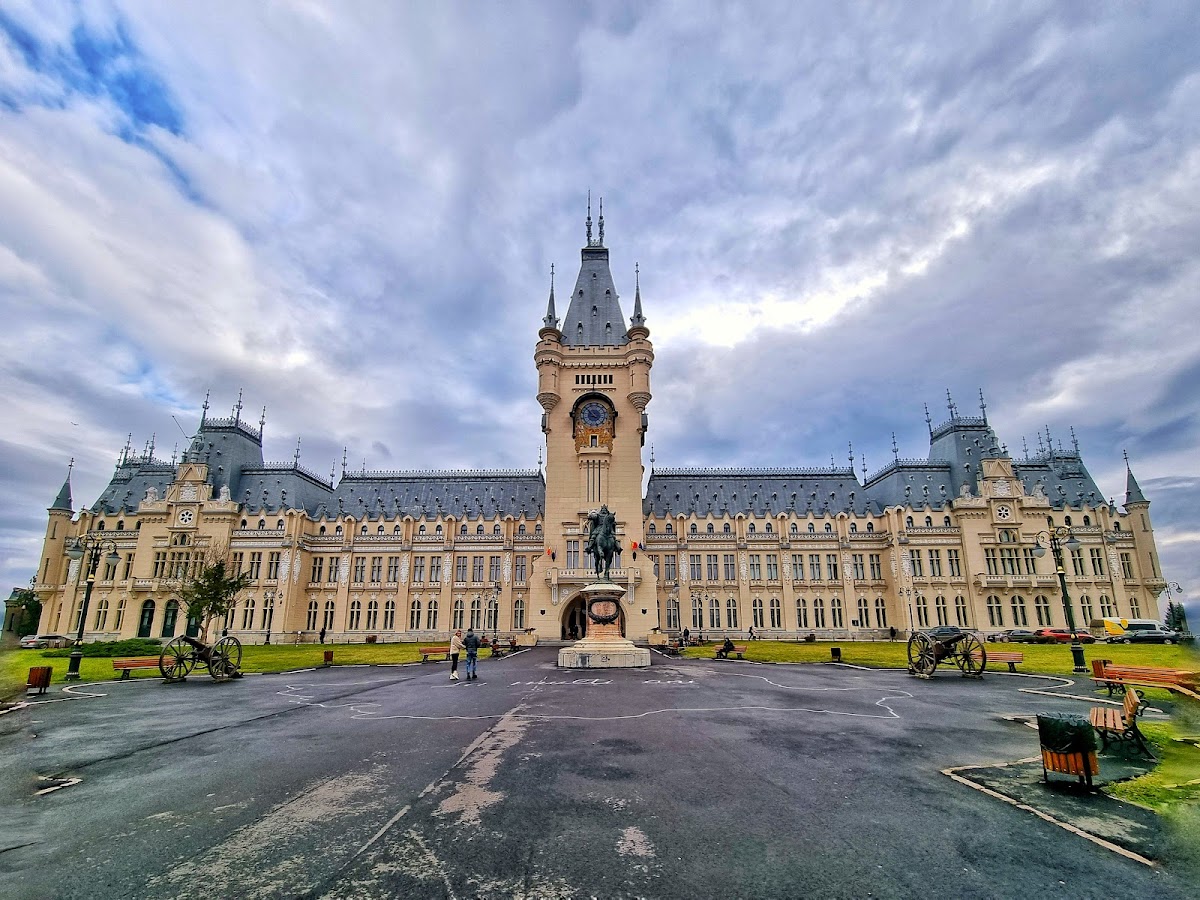
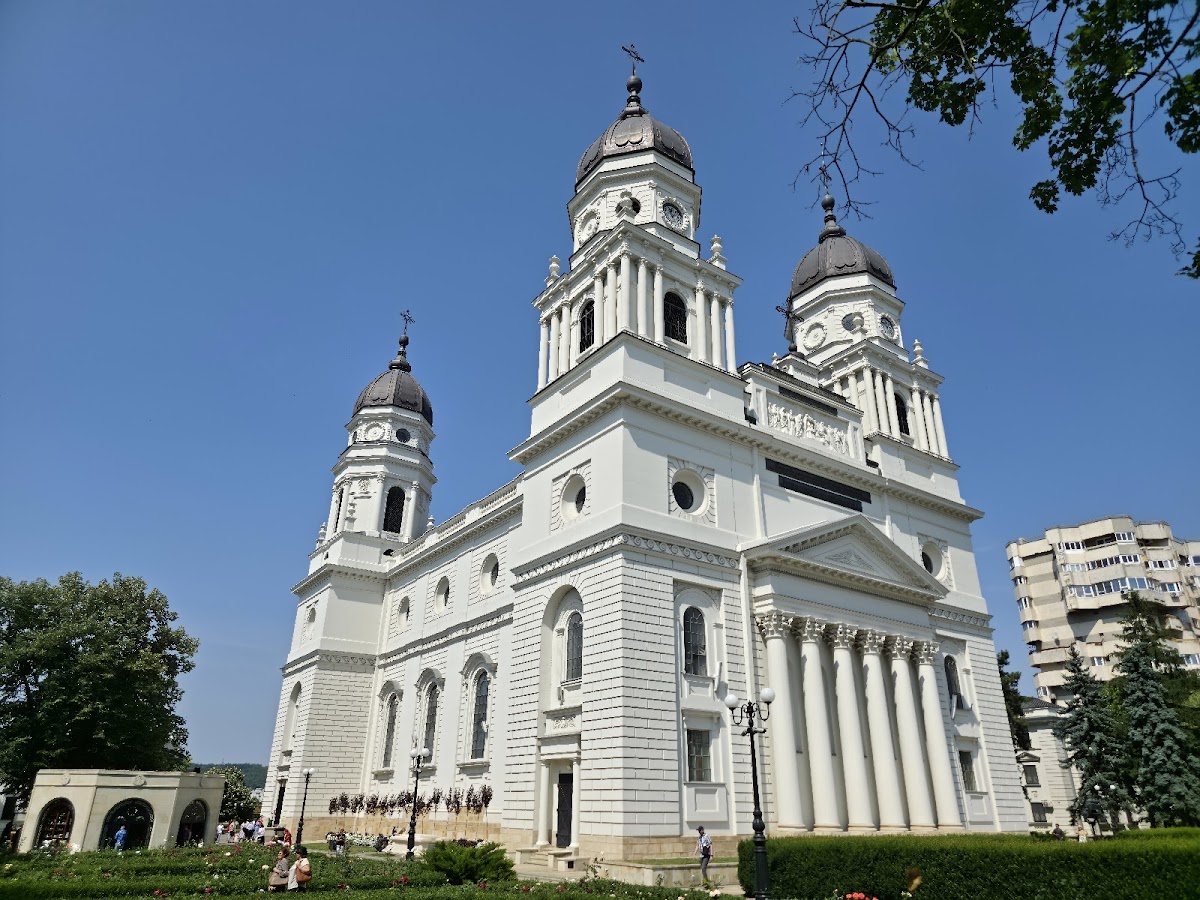
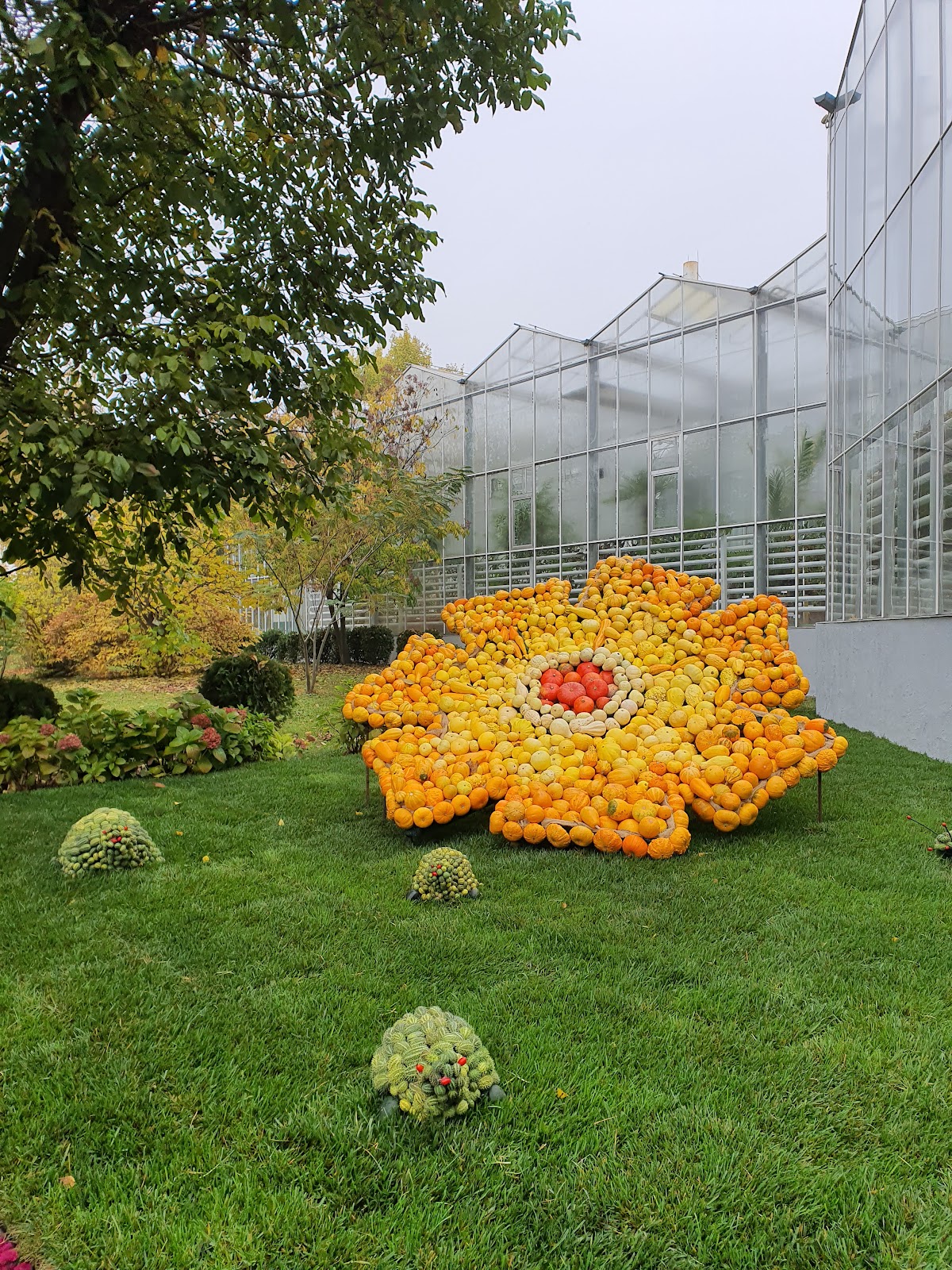
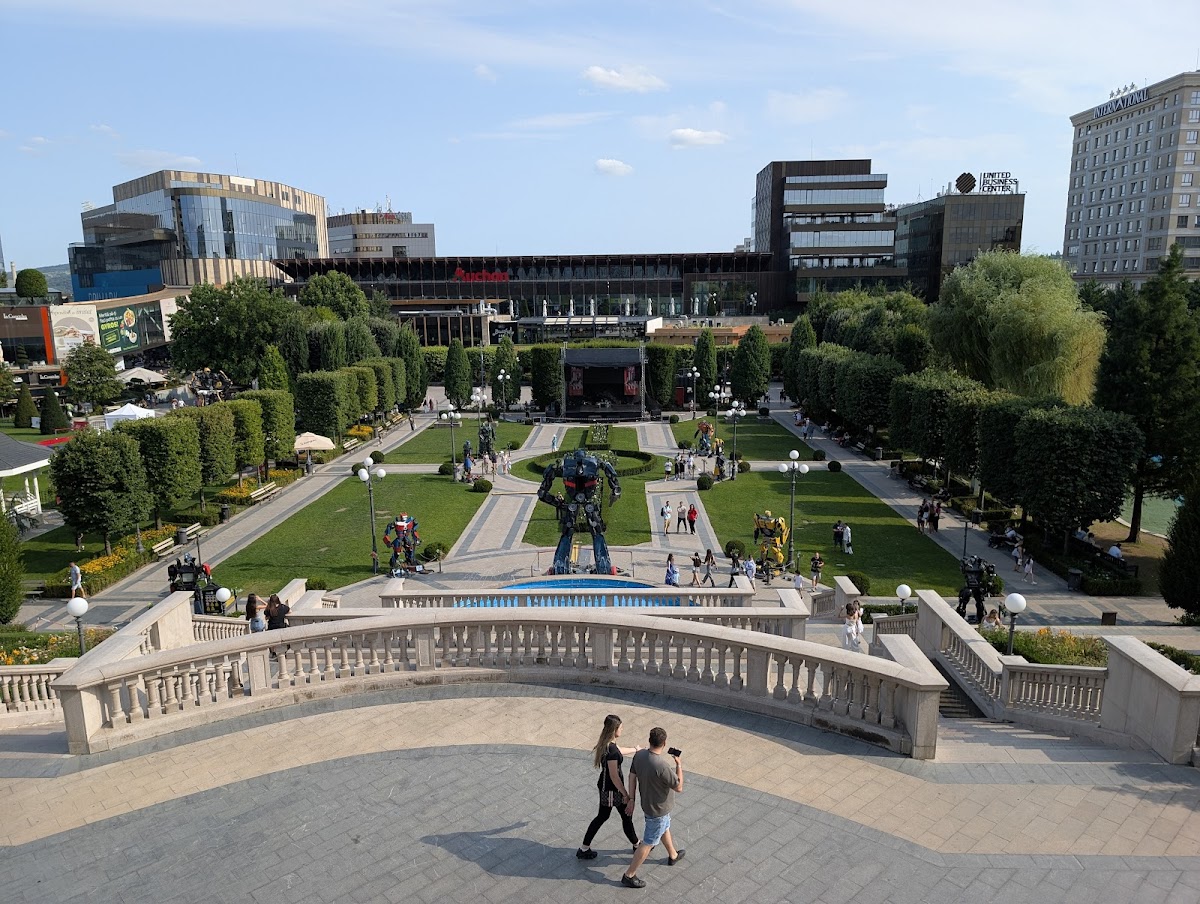
Iasi (380,000 inhabitants), the former capital of the Principality of Moldavia (1564–1859) and the second-largest city in Romania, impresses with the Palace of Culture — a monumental neo-Gothic building (365 rooms, 36,000 m²) housing four museums. The „Anastasie Fatu" Botanical Garden (80 ha, founded in 1856, the largest in Romania), Metropolitan Cathedral of Moldova and Bucovina, „Alexandru Ioan Cuza" University (Romania's first university, 1860), and the „Vasile Alecsandri" National Theatre complete an impressive cultural circuit. The vibrant university life (with 60,000+ students), cafes, and restaurants in the city center make Iasi a lively destination all year round.
The Fortresses of Stephen the Great
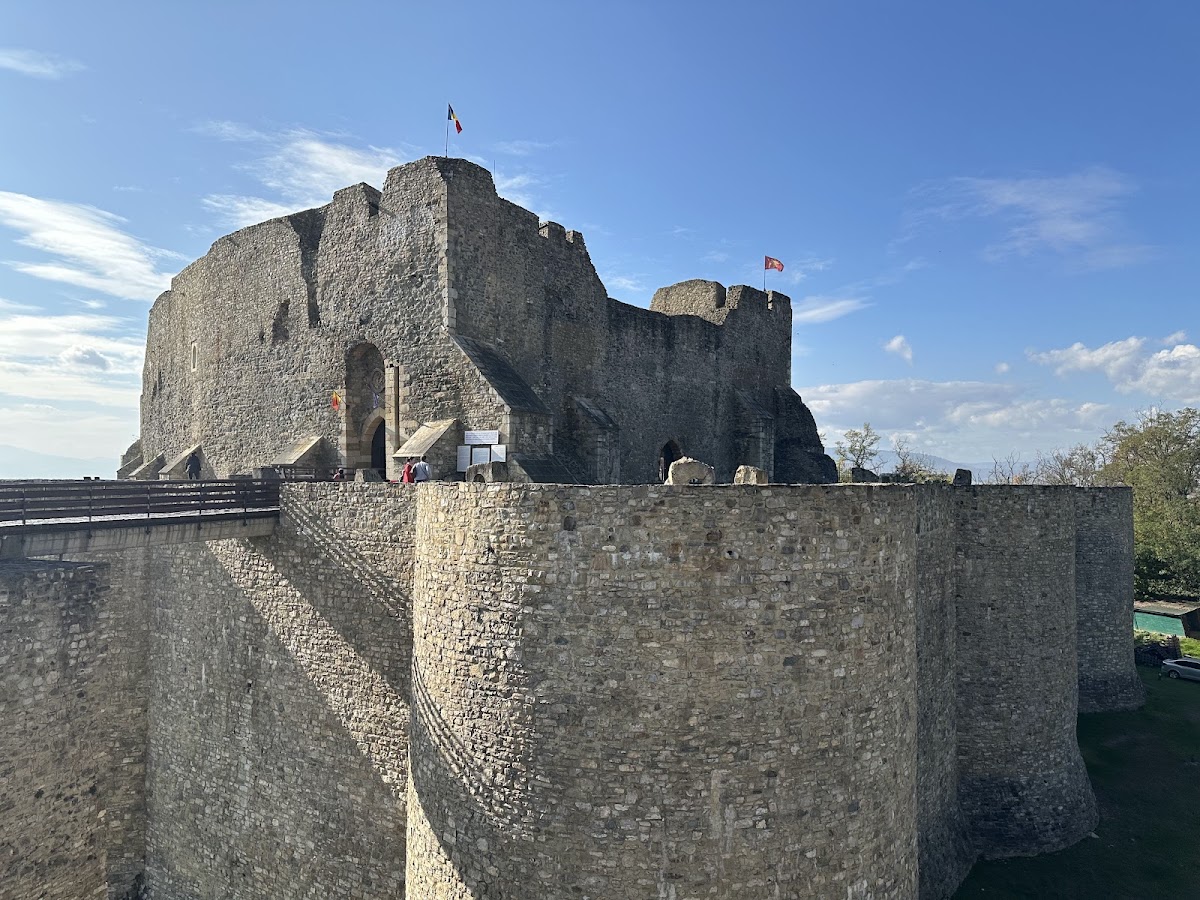
Stephen the Great and Holy (1457–1504), the most revered Moldavian ruler, left behind an impressive network of fortresses and monasteries. Neamt Fortress, located on a wooded hill at 480 m altitude, offers spectacular views and is the best-preserved medieval fortress in Moldova. Seat Fortress of Suceava (recently restored, with a museum and summer performances), Scheia Fortress (near Iasi), and the ruins of the fortress at Vaslui (site of the famous victory in 1475) complete a historical circuit that tells stories of resilience and faith.
Bicaz Gorges and Red Lake
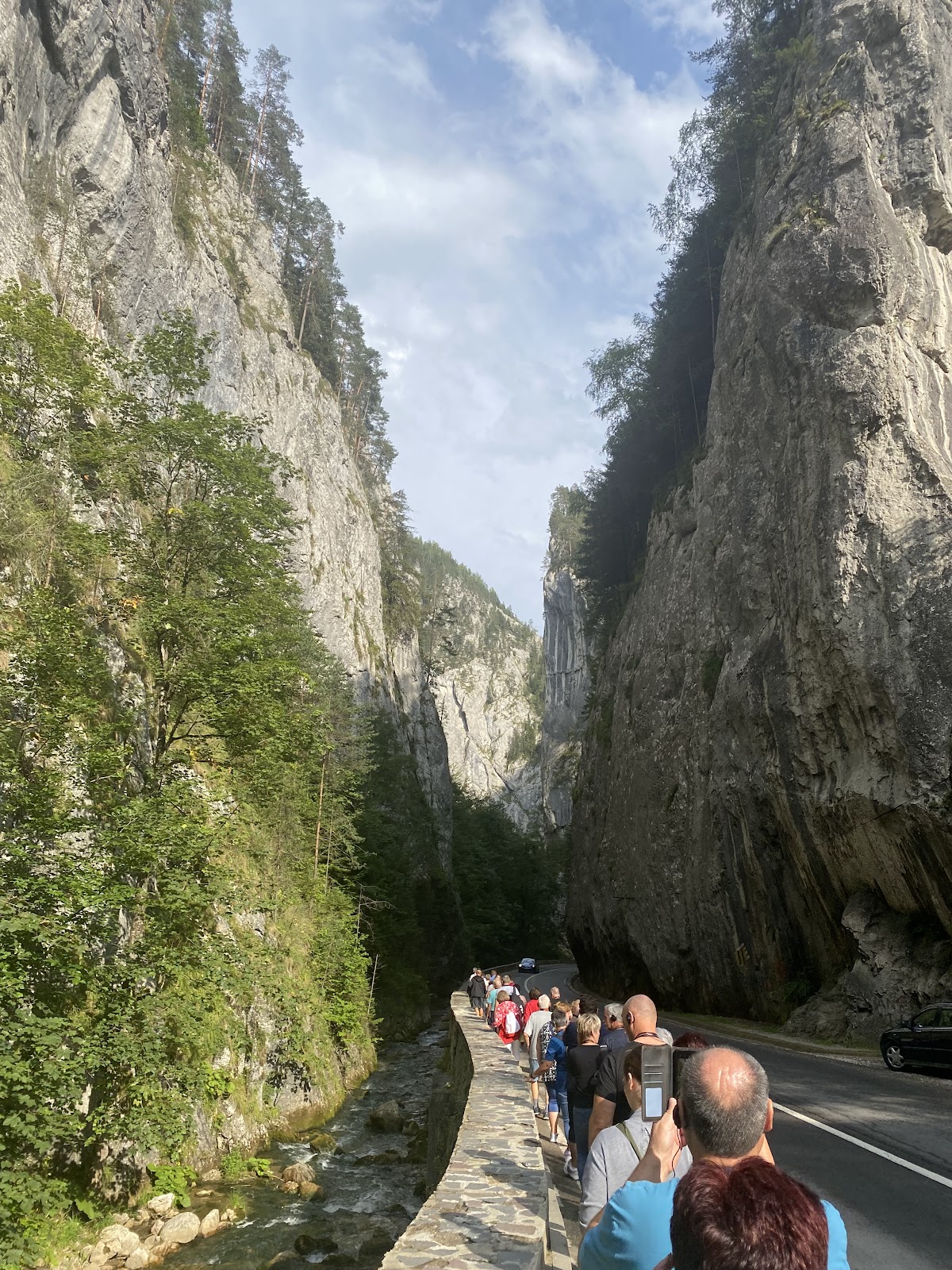
Bicaz Gorges, the most impressive gorges in the Eastern Carpathians, offer a spectacular road (DN12C) between limestone walls up to 300 m high, stretching over 8 km. The road route, with natural tunnels and narrow hairpin turns, is considered one of the most beautiful roads in Romania. Red Lake (Gyilkos-to), formed in 1838 following a landslide that blocked the Bicaz stream, is unique in Romania — the stumps of fir trees emerging from the water (visible at low flow) create a surreal landscape. The area offers hiking, fishing (trout, grayling), and climbing on the limestone walls.
Moldavian Monasteries
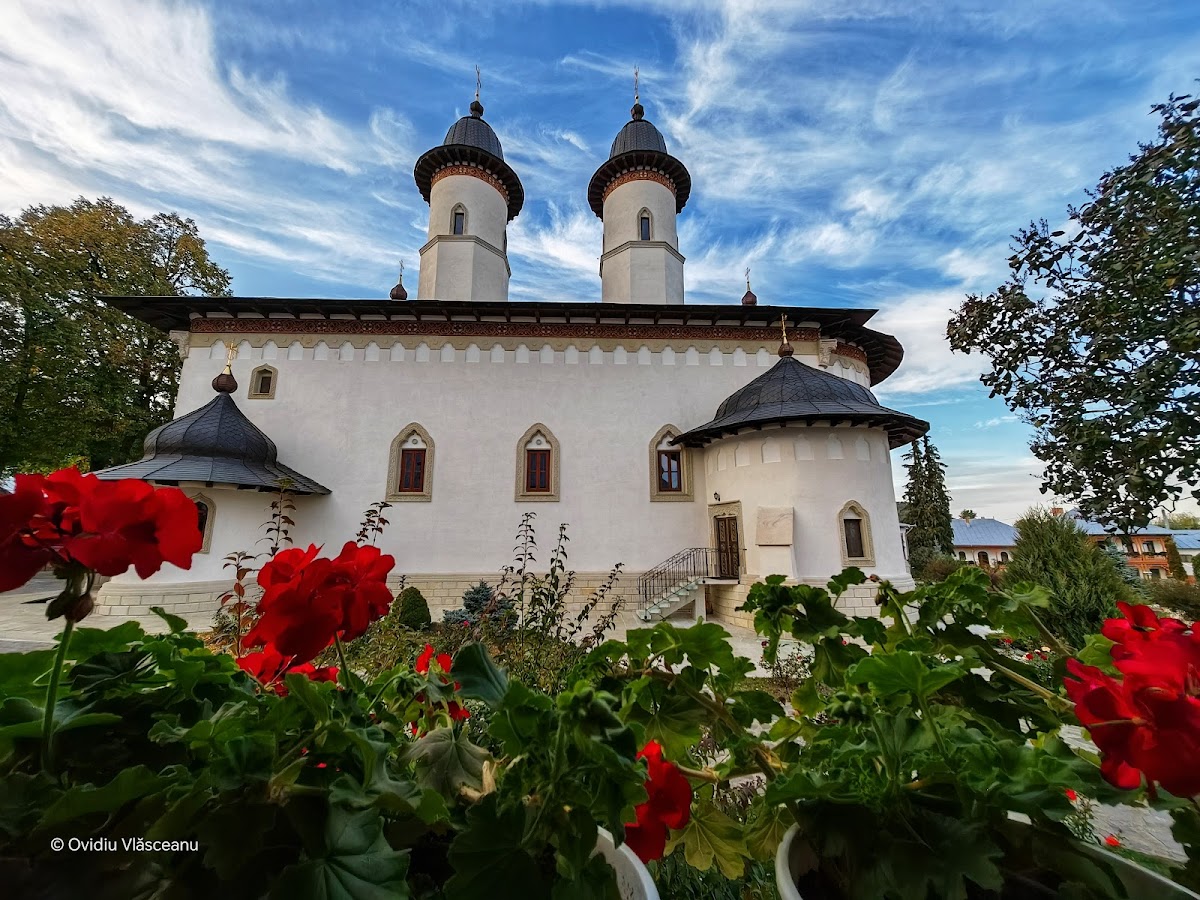
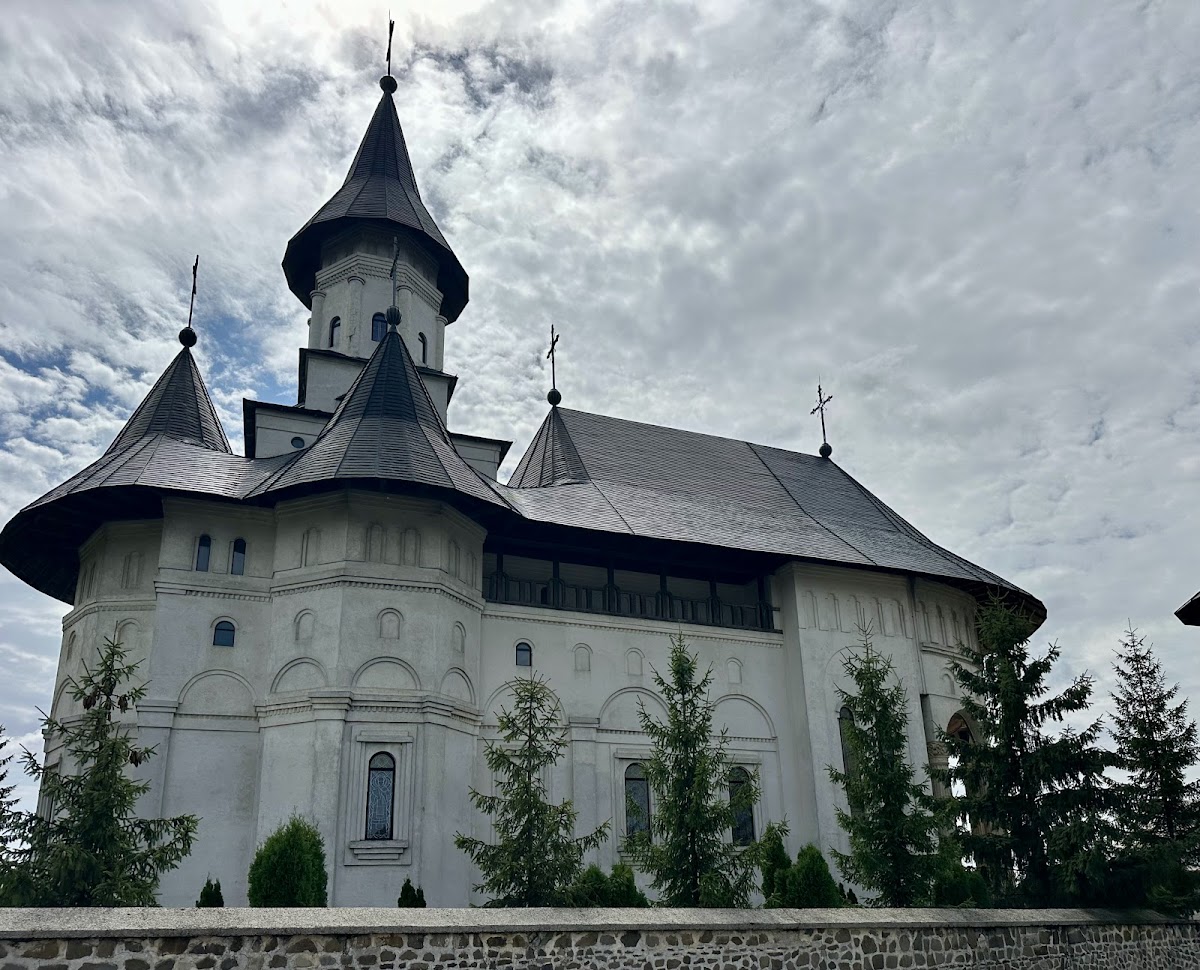
Beyond Bucovina, Moldova hosts monasteries of extraordinary cultural importance: Neamt Monastery (the largest monastery in Romania, founded in the 14th century, with a unique library of medieval manuscripts in southeastern Europe), Agapia Monastery (with paintings by Nicolae Grigorescu — Romania's most important painter), Varatec Monastery (the largest nunnery in Romania, with over 400 nuns), and Secu Monastery. The monastery circuit in Neamt County can be covered in 2–3 days.
Moldavian Wines and Vineyards
Moldova is the most important wine region in Romania, with a tradition spanning over 2,000 years and a vineyard area of ~100,000 ha. The vineyards of Cotnari (the famous Grasa de Cotnari wine, compared to Tokaji), Husi, Panciu, Odobesti, Nicoresti, and Iasi-Copou produce exceptional white and red wines. The Moldova Wine Route is a burgeoning tourist circuit in 2026, with wineries offering tastings, tours, and accommodation. Native varieties — Feteasca Alba, Feteasca Neagra, Busuioaca de Bohotin (an aromatic pink wine, unique in the world), Grasa de Cotnari — are internationally recognized.
Moldavian Gastronomy
Moldavian cuisine is considered the most refined in Romania, with Ottoman, Polish, and Austro-Hungarian influences. Don't miss: ciorba de potroace (with poultry offal, borscht, and greens), Moldavian sarmale (larger, in pickled cabbage leaves, served with sour cream and polenta), Moldavian tochitura (pork with egg and cheese, on polenta), pasca (Easter cake with sweet cow cheese and raisins), Moldavian cozonac (with nuts, cocoa, and Turkish delight — the best in Romania, locals say), and saratele with cheese. Local wines complement an exceptional gastronomy.
The Best Time to Visit Moldova
- Spring (April–May) — orchard blossoms, relaxed pace, low prices.
- Summer (June–August) — ideal for hiking in Bicaz Gorges and visiting monasteries. Temperatures: 25–32°C.
- Autumn (September–October) — wine harvest season and local festivals. The best time for winery tastings.
- Winter (December–January) — Iasi hosts a charming Christmas market in Unirii Square.
How to Get to Moldova
- Iasi International Airport (IAS) — low-cost flights to Italy, Germany, France, Spain, UK (Wizz Air, Ryanair, TAROM).
- Bacau Airport (BCM) — alternative for the southern area of Moldova.
- By car from Bucharest — 5–6 hours (400 km on E85).
- By train — Bucharest–Iasi: 6–7 hours (InterRegio). Ticket: 80–120 lei.
Bicaz Gorges are 3 hours by car from Iasi (200 km via Piatra Neamt) or 4 hours from Bucharest (via Brasov).
Frequently Asked Questions about Moldova
How many days do you recommend for Moldova?
Iasi: 2–3 days. Bicaz Gorges and Red Lake: 1–2 days. Neamt Monasteries: 2 days. Wine Route: 1–2 days. A 7–10 day stay comfortably covers the main attractions.
Where can I have wine tastings in Moldova?
The most accessible wineries: Cotnari (30 km from Iasi), Averesti Winery (Husi), Vincon Vrancea (Panciu). Many wineries offer tours and tastings by appointment (30–80 lei per person). Ideal period: September–October, during the harvest.
Can I visit Bicaz Gorges by car?
Yes. The DN12C road traverses the gorges and is spectacular. Stop at the designated observation points (signposted parking areas). The road is open all year, but winter can be challenging due to ice. At Red Lake: parking and boat rentals (30 lei per hour).
Is Iasi worth visiting in 2026?
Absolutely. Iasi has benefited from significant investments in cultural and tourist infrastructure. The restored Palace of Culture, new exhibition spaces, independent cultural scenes, and vibrant nightlife make Iasi a top urban destination — with considerably lower prices than Bucharest or Cluj.