Dobrogea is the region where millennia-old history meets the vast beaches of the Black Sea, a fascinating land with ancient roots over 2,600 years, modern resorts, and remarkable cultural diversity. With 245 km of coastline, over 15 spa resorts, the oldest urban settlement in Romania (Histria), and renowned vineyards, tourism in Dobrogea attracts over 2 million tourists annually. The region covers the counties of Constanta and Tulcea, with a population of ~900,000 inhabitants and a unique ethnic diversity (Romanians, Turks, Tatars, Greeks, Aromanians).
What to visit in Dobrogea
Constanta — The City of Ovid
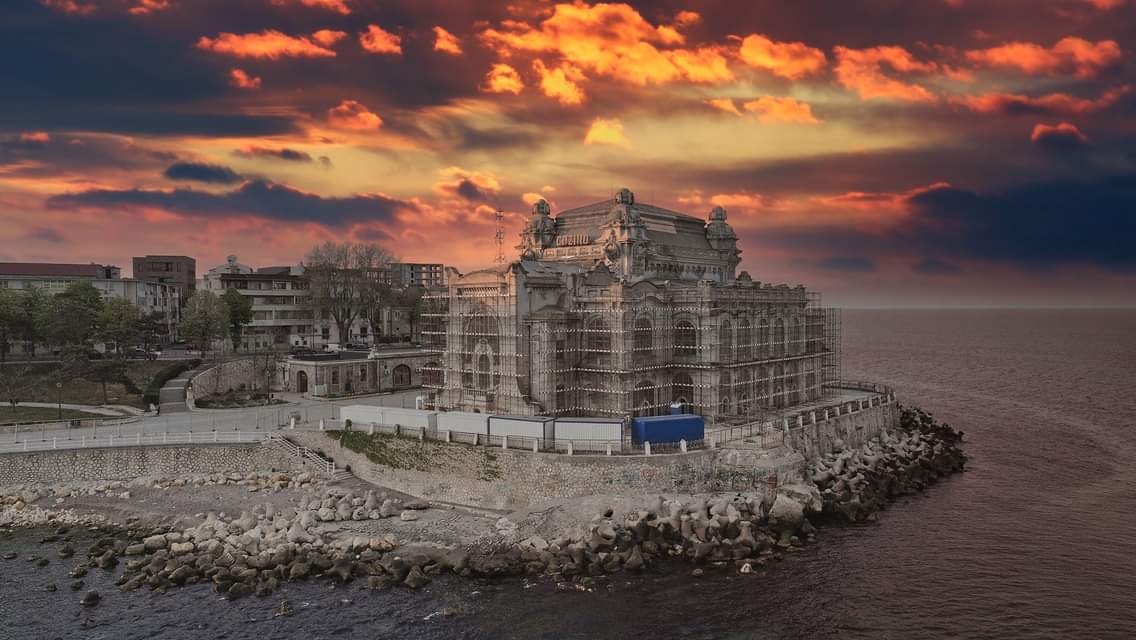
Constanta (300,000 inhabitants), the third-largest city in Romania, preserves an impressive heritage of 2,500 years. The Casino on the seafront, an Art Nouveau masterpiece (1910, architect Daniel Renard), is the symbol of the city — the restoration project is set to be completed in 2026. The Roman Mosaic (area: 850 m², 4th century), the Museum of History and Archaeology (featuring the Glykon statue and the Thracian treasure), Hunchiar Mosque (1868), and the Genoese Lighthouse (13th century) tell a multicultural history. Ovid Square, with the statue of the poet exiled to Tomis in 8 AD, is the cultural heart of the city.
Coastal Resorts — From Party to Relaxation
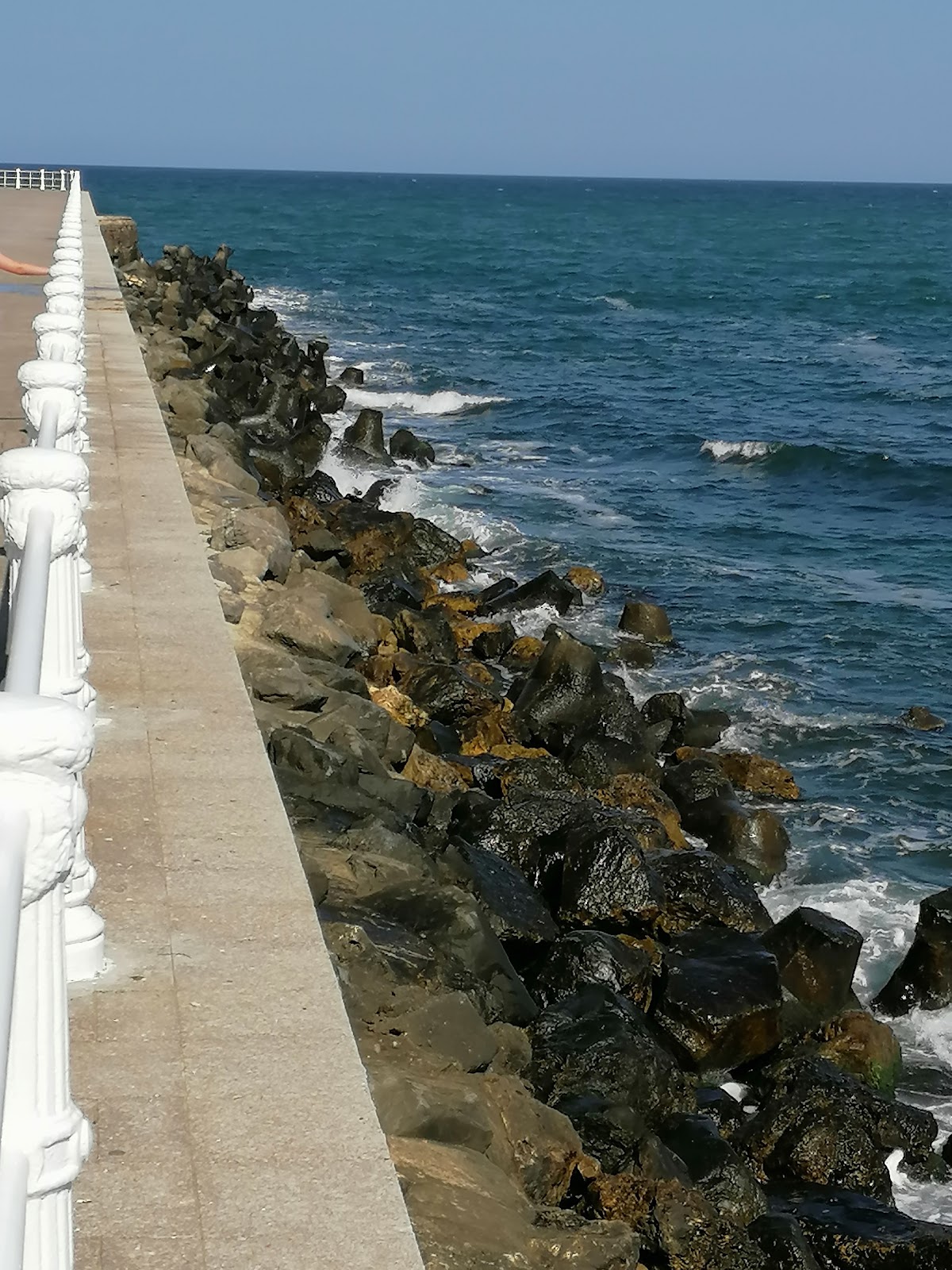
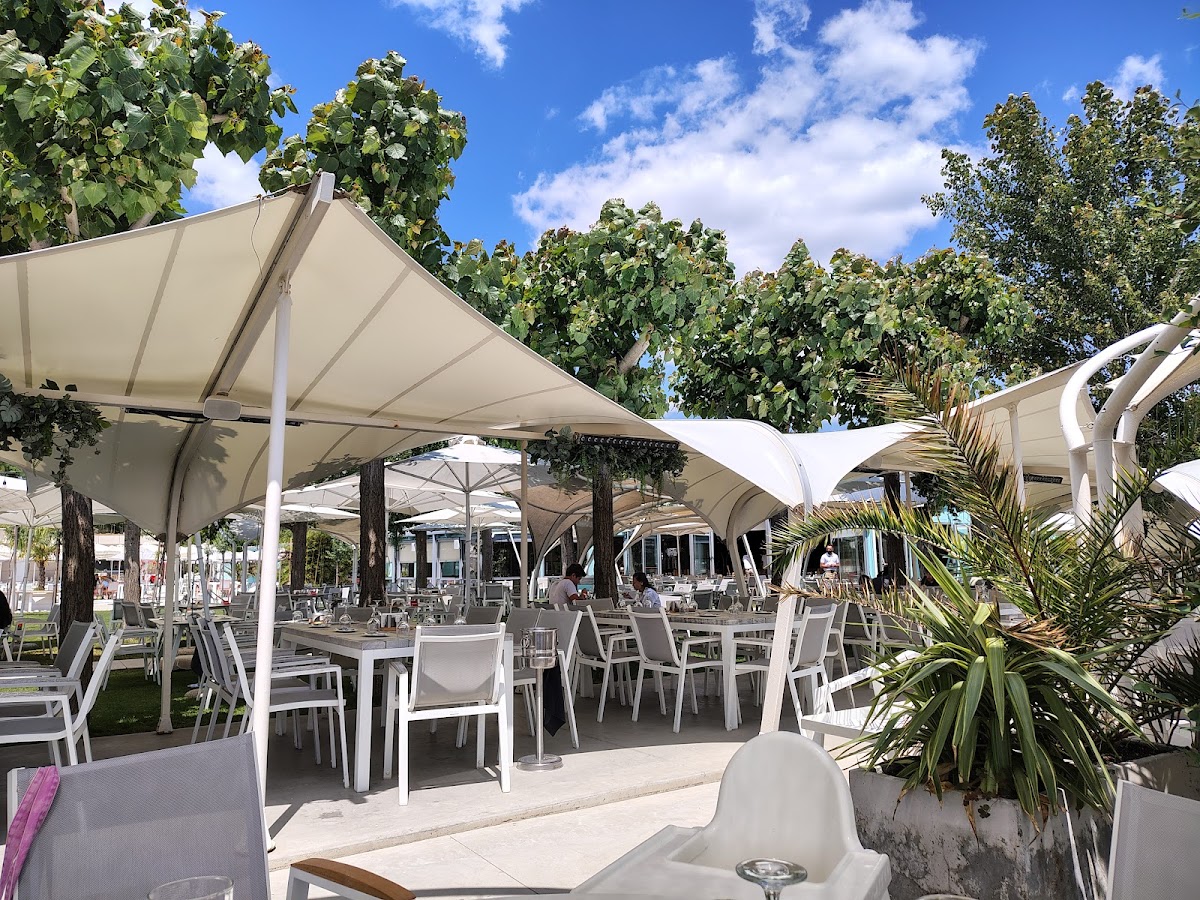
Mamaia (8 km of beach, the largest resort on the coast) offers fine sand, clubs, restaurants, and a water park. Neptun-Olimp and Jupiter-Cap Aurora are quieter, ideal for families (Blue Flag beaches). Eforie Nord offers warmer water due to Lake Techirghiol and sapropelic mud treatments. Vama Veche, on the border with Bulgaria, is the bohemian destination — free beaches, live music, and a unique alternative atmosphere. 2 Mai offers a more relaxed and sophisticated experience. New resorts — Corbu and Vadu — attract lovers of wild beaches.
Histria Fortress — 2,600 Years of History
Histria, founded by Greek colonists from Miletus in 657 BC, is the oldest city on Romanian territory. The ruins — temples, basilicas, baths, defensive walls, and residential quarters — cover 1,300 years of continuous habitation (7th century BC – 7th century AD). The on-site museum presents fascinating artifacts: Greek pottery, Roman coins, sculptures, and everyday objects. Situated on the shore of the former Lake Sinoe, Histria also offers a remarkable natural landscape, at the interface with the nature reserve.
Nature and Landscapes in Dobrogea
Beyond the coastline, Dobrogea surprises with unique landscapes in Romania: Macin Mountains — the oldest mountains in Romania and among the oldest in Europe (400 million years), with sub-Mediterranean flora and fauna; Dobrogea Gorges; limestone hills with paliurus and wild fig; Agigea Reserve (sand dunes with rare plants). Macin Mountains National Park offers easy hiking trails with spectacular panoramas and birdwatching opportunities.
Coastal Gastronomy
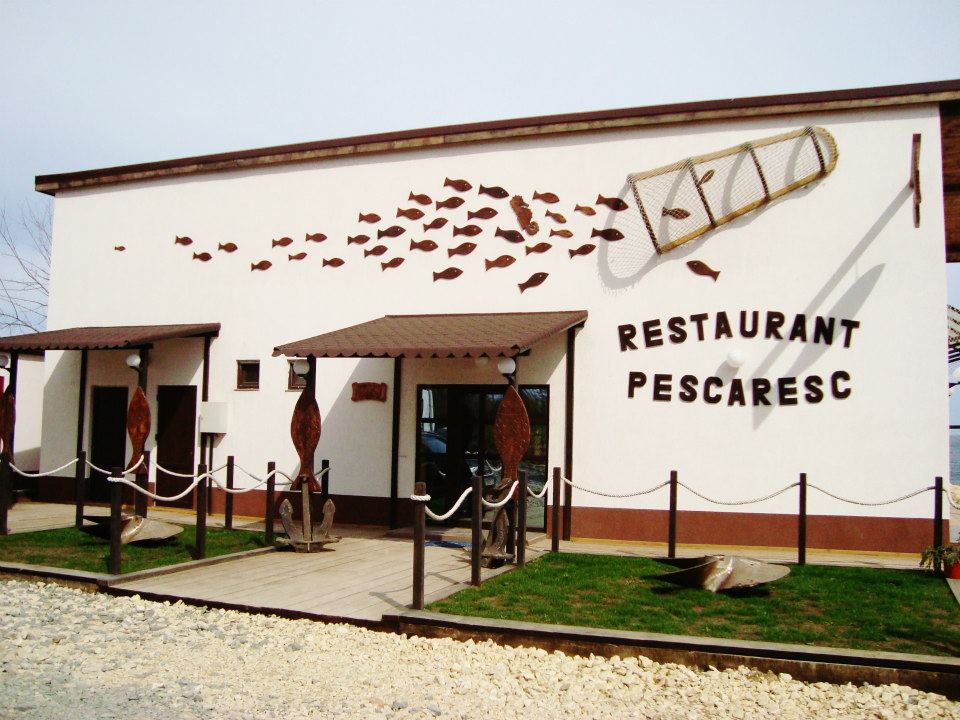
The Dobrogean cuisine, influenced by Turkish, Tatar, Greek, and Romanian traditions, is unique in Romania. Don't miss: carp brine or grilled horse mackerel, fish plachie (baked fish with vegetables), mussels with pilaf and lemon, roe salad with onion, chebapcici (Turkish influence), and the famous Dobrogea yogurt. Turkish sweets — baklava, sarailie, kataif — are irresistible. Wines from Murfatlar (Chardonnay, Muscat Ottonel, Pinot Gris) and those from Alira and Rasova perfectly accompany fish dishes.
The Best Time to Visit
- Summer (June–September) — beach season. Temperatures: 28–35°C. Sea water: 22–26°C in August. Peak crowd: July–August.
- June and September — the best months: pleasant temperatures, less crowded beaches, lower prices.
- Spring and Autumn — ideal for cultural visits to Constanta and Histria. Birdwatching in Macin.
How to Get to Dobrogea
- Mihail Kogalniceanu Constanta Airport (CND) — seasonal flights and charters in summer.
- By car from Bucharest — 2.5–3 hours on the A2 highway (225 km).
- By train — Bucharest–Constanta: 2–3 hours (frequent in summer, with InterCity). Ticket: 50–80 lei.
Frequently Asked Questions about Dobrogea
What is the best resort for families?
Neptun-Olimp and Jupiter — clean beaches with Blue Flag, calm water, and family facilities. Eforie Nord offers slightly warmer water. Mamaia is more lively and expensive but has a water park. Summer accommodation prices: 250–600 lei/night.
Is Vama Veche worth visiting in 2026?
Yes, if you enjoy an alternative atmosphere, live music, and free beaches. Vama is best in the evening and at night. For daytime relaxation, 2 Mai (2 km north) offers a quieter experience. On weekends: peak crowd.
Can I visit Histria Fortress in one day?
Yes. The visit (ruins + museum) takes 2–3 hours. Combine with a stop at Murfatlar for wine tasting or with the Sinoe Lake area. Histria is 65 km north of Constanta (1 hour by car). Ticket: 15 lei/adult.