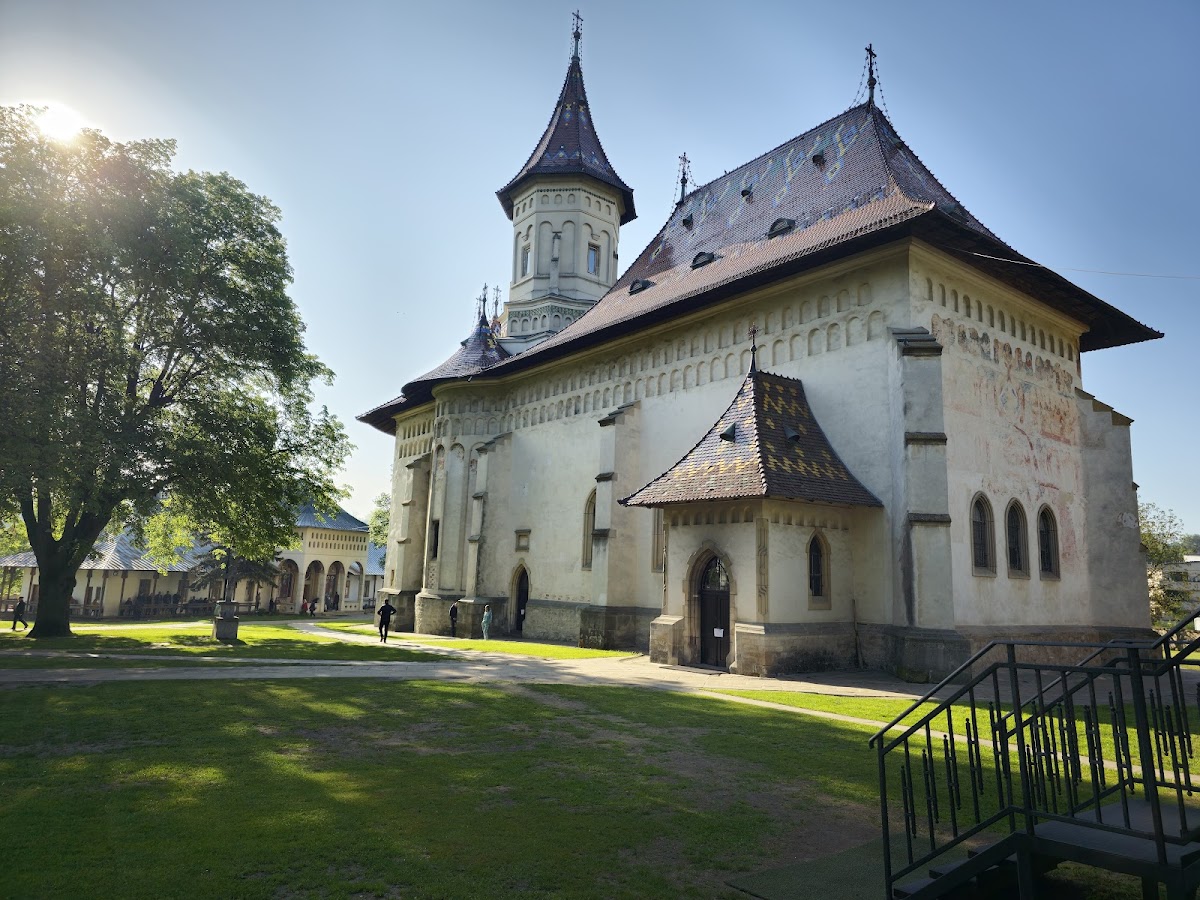
Bucovina is the land of painted monasteries, a region in northeastern Romania where art and faith meet in unique masterpieces recognized worldwide. The exterior frescoes of the Bucovina monasteries, created in the 15th–16th centuries and preserved almost intact after 500 years, are considered among the most valuable works of medieval art in Europe. With 5 monasteries listed as UNESCO World Heritage sites, bucolic landscapes of hills and forests, legendary hospitality, and a cuisine that turns every meal into a celebration, Bucovina is a destination worth exploring with care and patience.
What to Visit in Bucovina
Voronet Monastery — “The Sistine Chapel of the East”
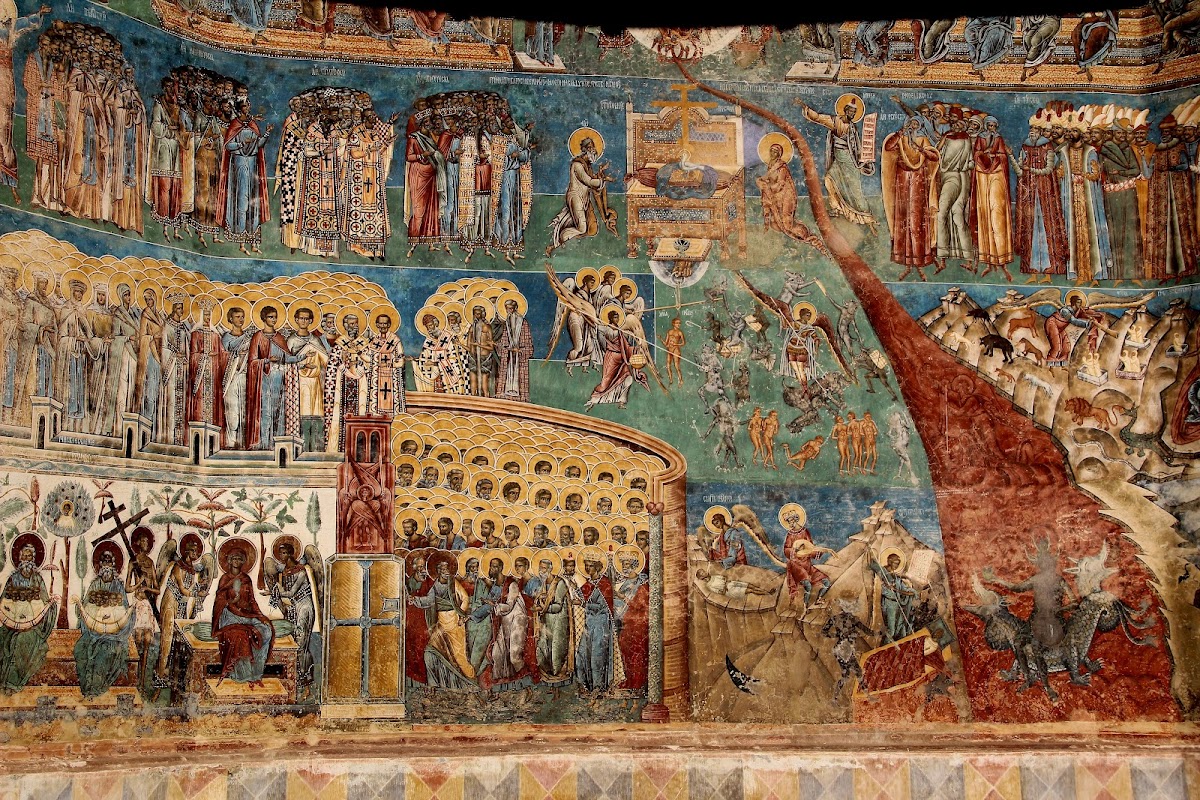
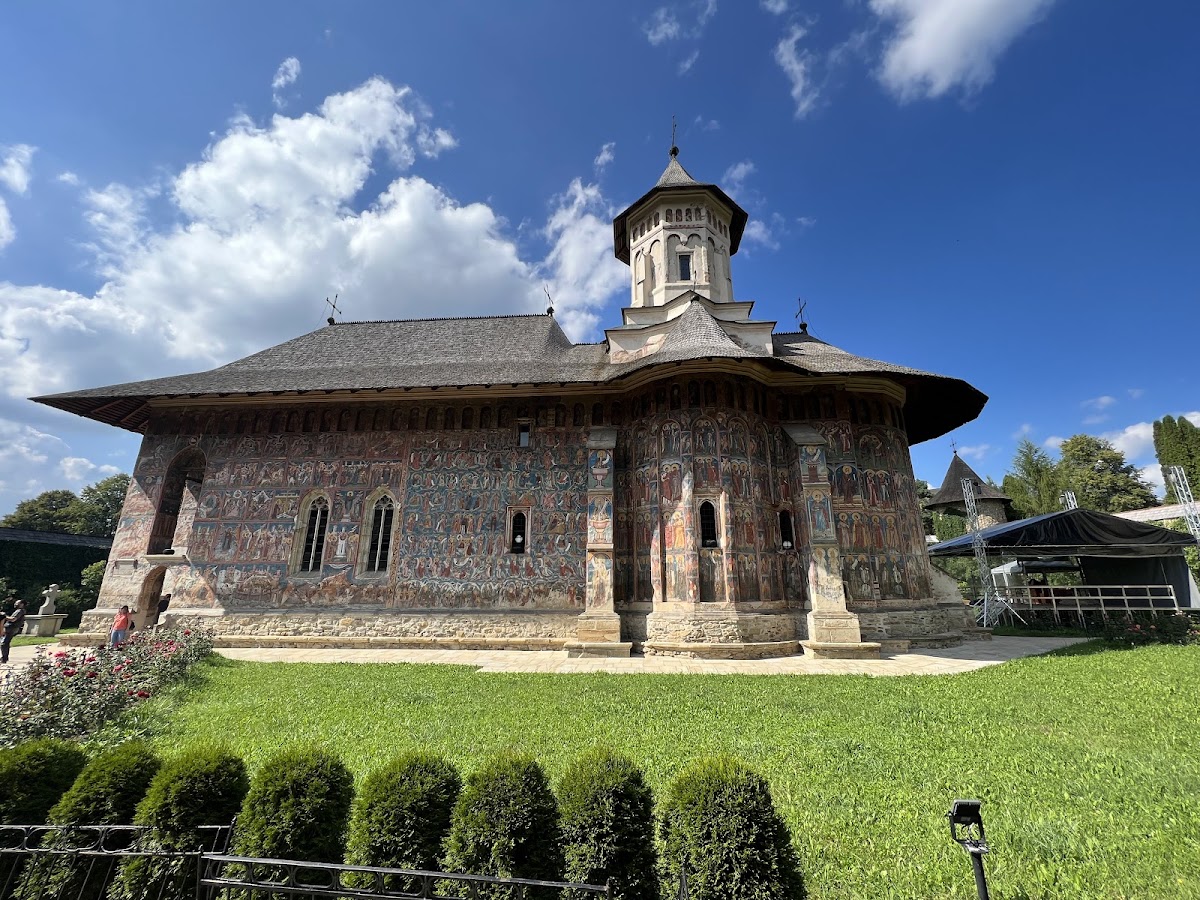
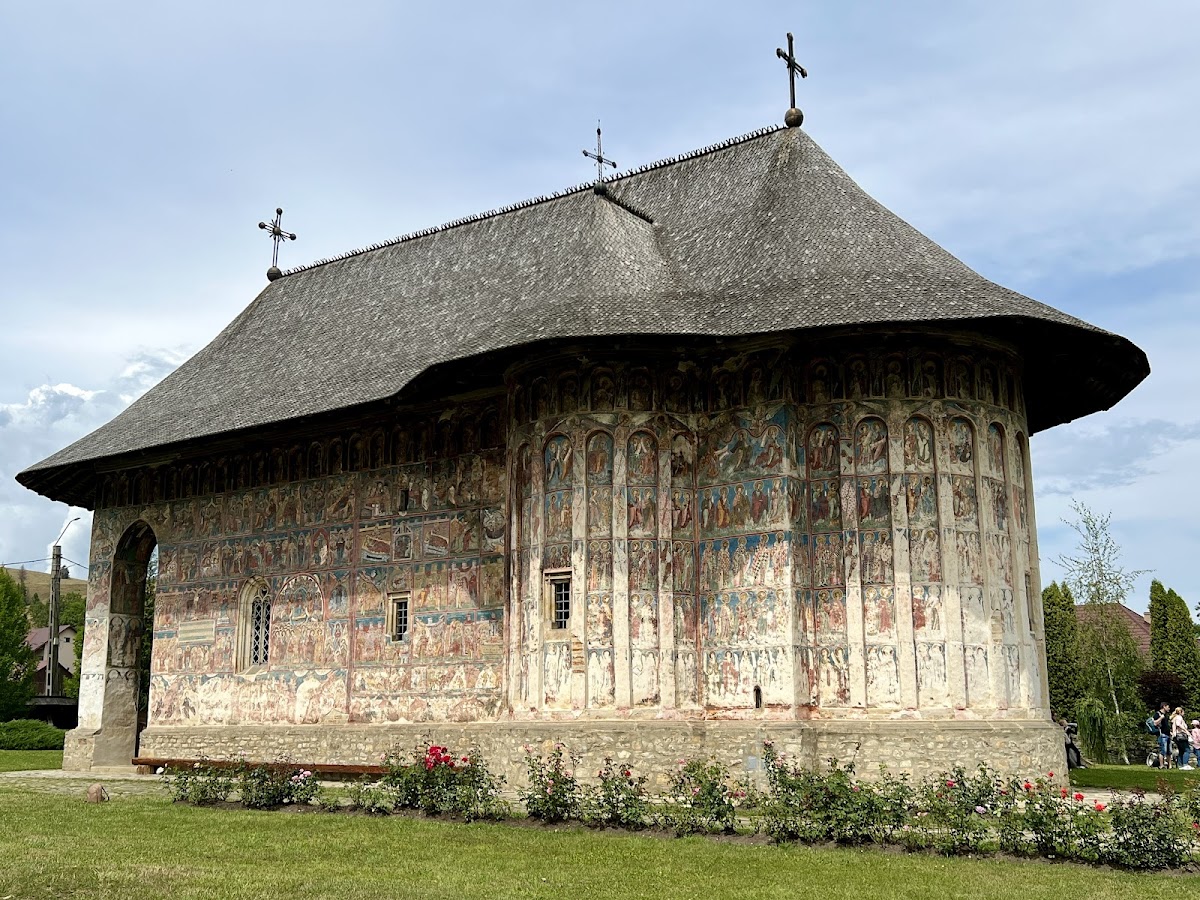
Voronet Monastery is the most famous monument in Bucovina, nicknamed “The Sistine Chapel of the East” by UNESCO due to its overwhelmingly beautiful exterior frescoes. The Voronet Blue, a shade that chemists have failed to reproduce, dominates the Last Judgment scene on the western wall — considered the most complex medieval mural composition in Europe. Built by Stephen the Great in 1488, in just 3 months and 3 weeks after a victory against the Ottomans, the monastery has been a UNESCO World Heritage site since 1993. Opening hours: 8:00–18:00 (summer), 8:00–16:00 (winter). Ticket: 10 lei/adult.
Sucevita Monastery — The Painted Fortress
Sucevita is the best-fortified of the Bucovina monasteries, surrounded by thick walls 6 meters high with defense towers. The exterior frescoes, painted in shades of green and red, include the famous Ladder of Virtues — 30 steps symbolizing the path from sin to salvation. The interior museum houses an impressive collection of medieval manuscripts, gold-thread embroideries, and religious artifacts from the 15th–17th centuries. It is the only painted monastery where all four exterior walls are covered with complete frescoes.
Moldovita Monastery
Moldovita impresses with the fresco The Siege of Constantinople, the largest and most detailed narrative scene on any Bucovina monastery (painted area: over 200 m²). The dominant colors — yellow and blue — give a special brightness to the ensemble. Situated in a picturesque valley of the Moldova River, the monastery also offers a tranquil natural setting, ideal for contemplation and photography.
Humor and Arbore Monasteries
Humor stands out for the predominance of brick-red tones in its frescoes and the narrative quality of the biblical scenes, while Arbore — the smallest and most delicate of the painted monasteries — surprises with the refinement of details and intense green tones. Both are worth visiting to understand the stylistic diversity of the Bucovina painting school, unique in European medieval art.
Suceava — The Medieval Capital of Moldova
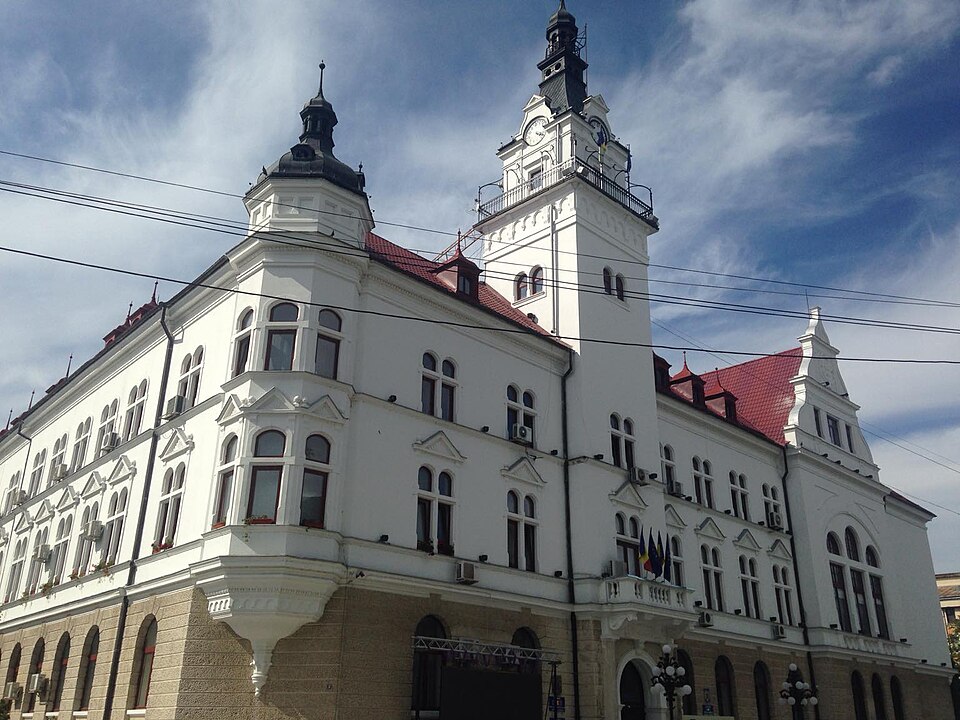
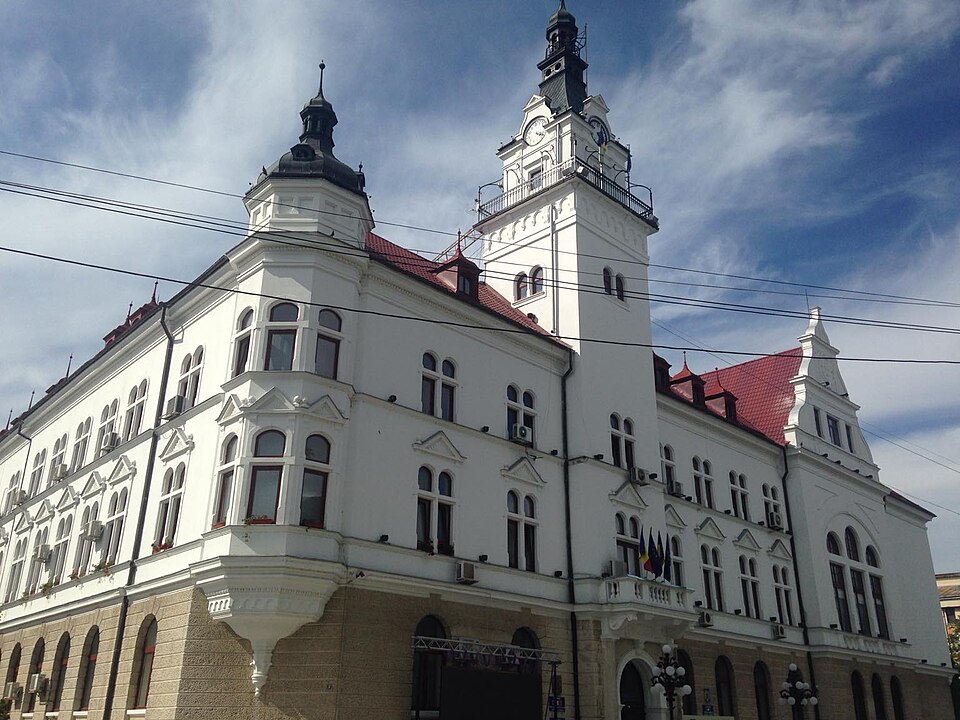
Suceava (125,000 inhabitants), the former capital of medieval Moldova (1388–1565), preserves Stephen the Great's Seat Fortress, offering a superb panorama of the city and surroundings. The recently restored fortress hosts exhibitions and summer performances. The old town, with the Royal Court, Royal Inn (16th century), and the Bucovina Museum, provides an immersion into the region's history. Suceava is also the ideal starting point for the monastery circuit.
Nature and Landscapes in Bucovina
Bucovina offers bucolic landscapes of gentle hills covered with beech and fir forests, picturesque valleys, and alpine pastures. Rarau Mountains (1,651 m), with the rock formations “Pietrele Doamnei” (limestone pillars up to 12 m), offer spectacular hikes and dreamlike panoramas. Vatra Dornei, the spa resort at the foot of the mountains, combines thermal treatments with mineral waters with mountain trails in Calimani National Park (the largest volcanic crater in Romania, with a diameter of 10 km).
The virgin beech forests of Bucovina, included in the UNESCO World Heritage (2017), are habitats for bears, wolves, lynxes, and Carpathian deer. Hiking trails in Obcina Mare and along the Moldova and Suceava rivers offer nature experiences away from the crowds.
Bucovina Cuisine
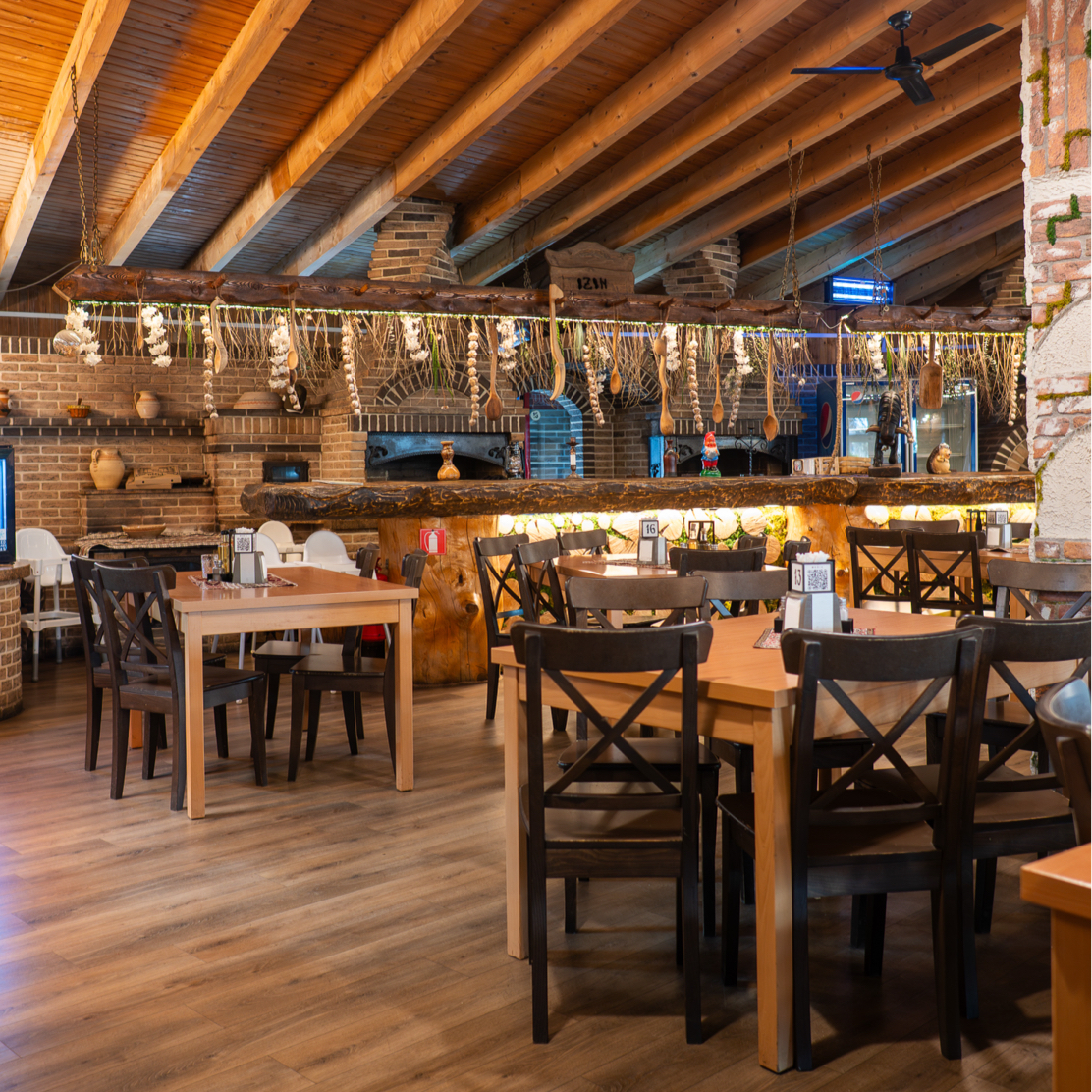
Bucovina cuisine is one of the most rich and appreciated in Romania. Don't miss: Bucovina pies (with sweet cheese, apples, cabbage — baked in clay ovens), cabbage rolls in pickled cabbage leaves (the best in the country, locals say, served with sour cream and polenta), Radauti soup (chicken soup with sour cream and garlic), balmos, and fresh farm-raised trout. The sweets — papanasi with sour cream and blueberry jam, Bucovina cozonac with walnuts and cocoa, alivenci — are irresistible. Plum brandy and blueberry liqueur complete a traditional meal.
Bucovina Traditions and Customs
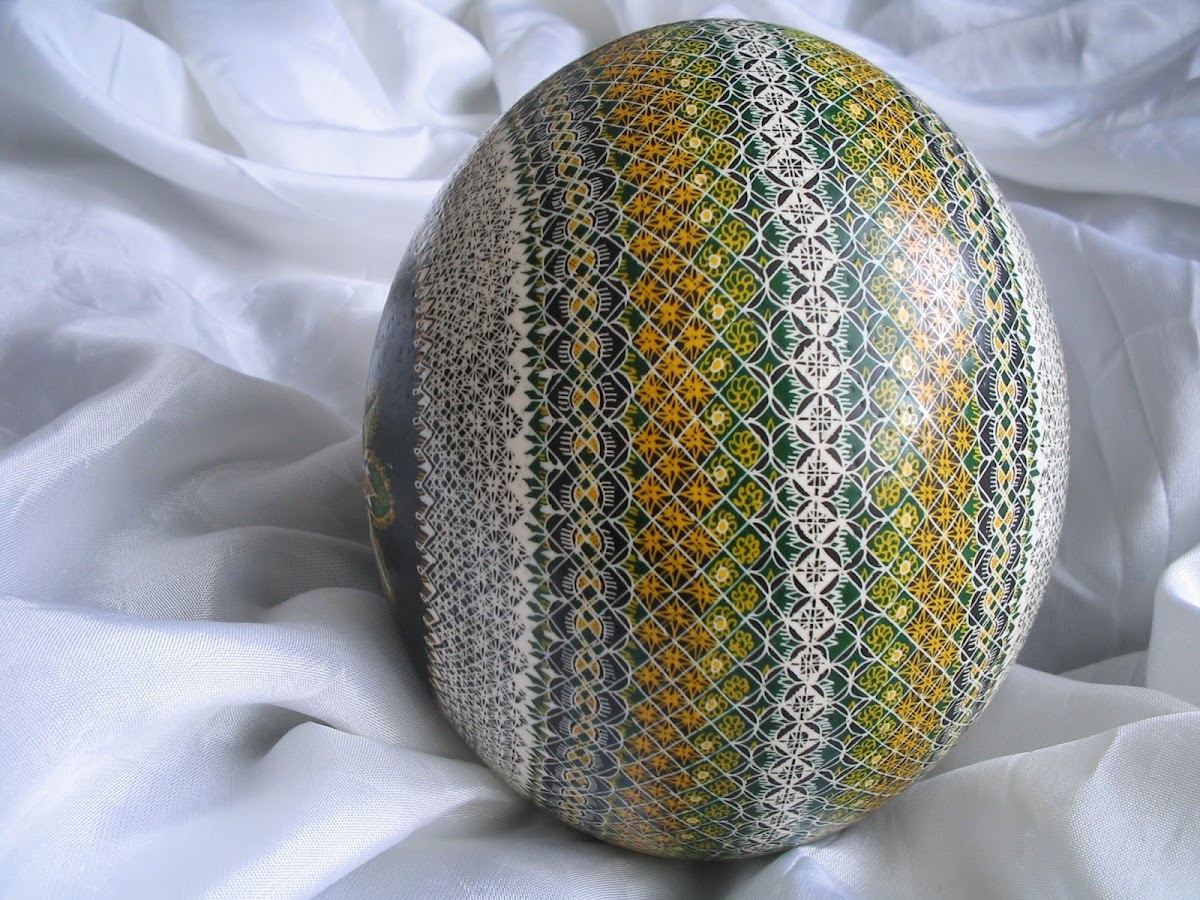
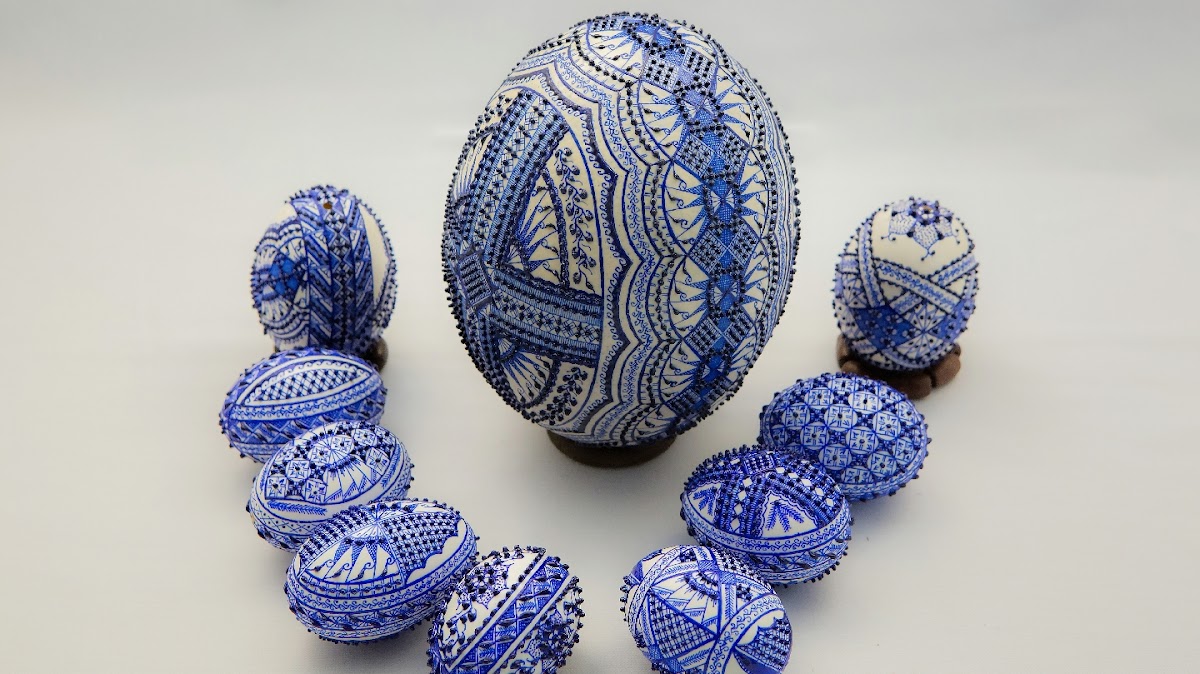
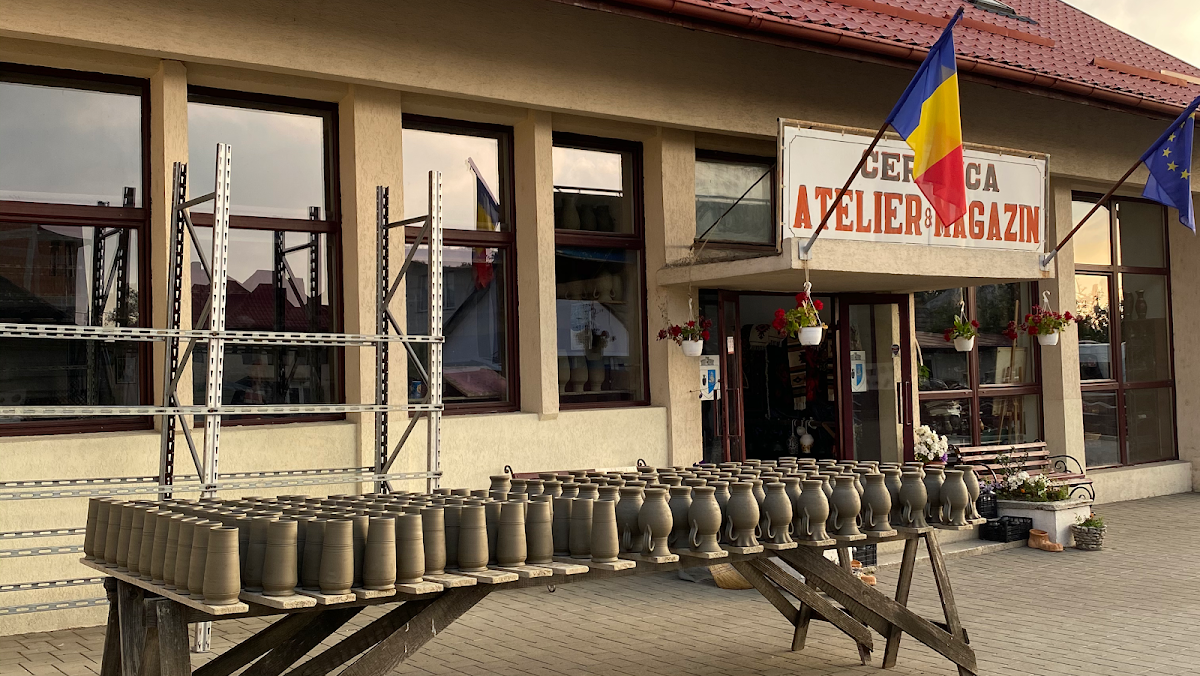
In winter, Bucovina becomes the stage for the most spectacular New Year customs in Romania: Bear, Goat, carols, and masked parades in Vama, Comanesti, and other villages attract tens of thousands of spectators. The largest event is the Vama Festival (December 30–31). Bucovina crafts — decorated eggs (a world-famous Easter tradition, with complex geometric patterns made with beeswax and natural dyes), weaving, pottery, and woodworking — are carefully preserved from generation to generation.
The Best Time to Visit Bucovina
- Summer (June–September) — ideal weather for visiting monasteries and hiking (20–28°C). Monasteries are open with extended hours.
- Autumn (September–October) — spectacular colors of beech forests, warm light ideal for photography.
- Winter (December–January) — magical for holiday traditions and snowy landscapes. Temperatures from -10 to -2°C.
- Spring (April–May) — the period of decorated eggs and traditional Easter, orchard blooming.
How to Get to Bucovina
- Stefan cel Mare Suceava Airport (SCV) — flights from Bucharest (Wizz Air, TAROM) and some international destinations.
- By car from Bucharest — 5–6 hours (450 km via E85). From Cluj-Napoca: ~5 hours.
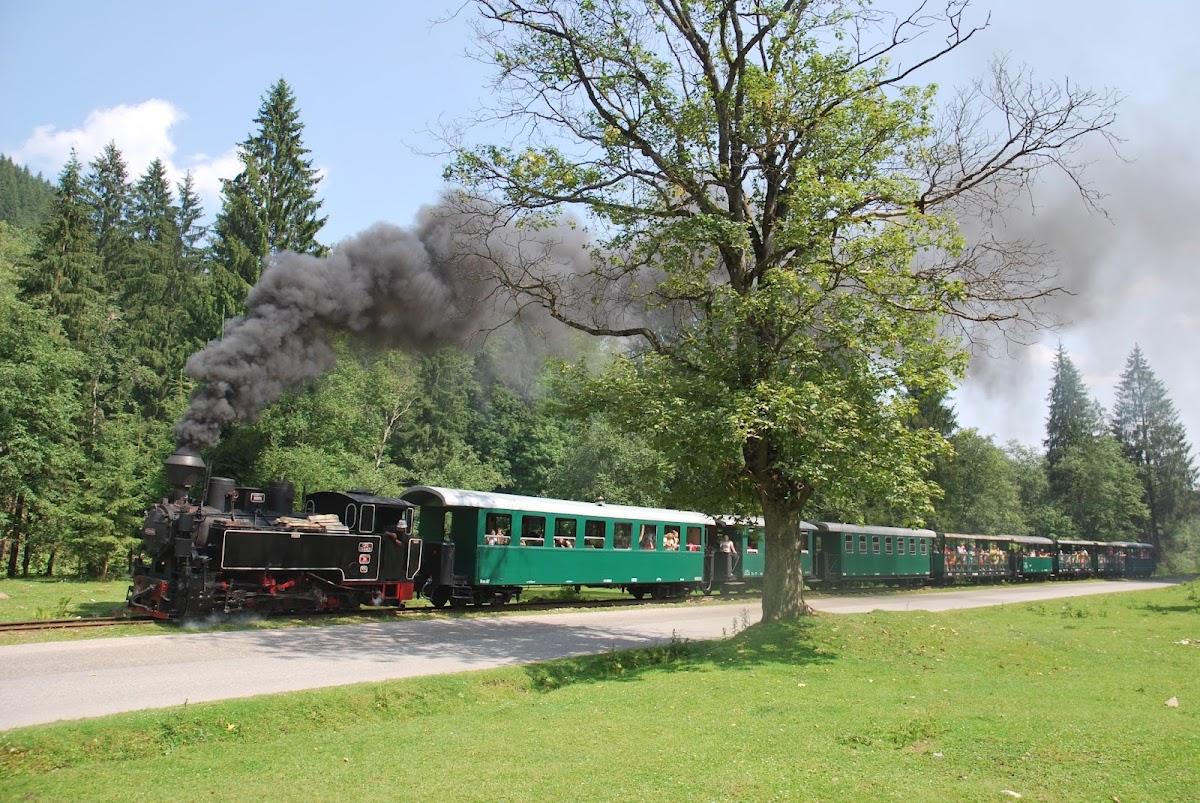
- By train — direct routes Bucharest–Suceava (5–6 hours InterRegio) and Suceava–Vatra Dornei.
For the monastery circuit, a car is essential — distances between monasteries are 20–40 km on good but winding roads.
Frequently Asked Questions About Bucovina
How long does it take to visit all the UNESCO painted monasteries?
A complete tour of the 5 main monasteries (Voronet, Sucevita, Moldovita, Humor, Arbore) can be done in 2 days by car, starting from Suceava or Gura Humorului. We recommend 3 days to enjoy each monastery without rushing, explore the surroundings, and stop at traditional guesthouses.
Which is the most beautiful monastery in Bucovina?
Voronet is considered the most spectacular due to the famous blue and the Last Judgment. Sucevita impresses with its scale and fortress, while Moldovita with its narrative and natural setting. Each has a unique charm — we recommend visiting them all.
Where can I find traditional accommodation in Bucovina?
Gura Humorului and Vama are the most popular bases, with traditional guesthouses offering meals with local products (prices: 150–300 lei/night). The areas around Sucevita, Moldovita, and Vatra Dornei also have excellent accommodation. Look for guesthouses with ratings over 4.5 on Google Maps.
Can I see the New Year traditions in Bucovina?
Yes! Between December 27 and January 1, villages like Vama, Comanesti, and Udesti organize spectacular parades with bear handlers, goats, and masked figures. The largest event is the Vama Festival (December 30–31), with thousands of participants. Book accommodation 2–3 months in advance — it fills up quickly.
Is it worth visiting Bucovina with children?
Yes. Children are fascinated by the colorful frescoes (turn the visit into a “character hunt”), the decorated eggs (there are participatory workshops), and the animals at the guesthouses. Vatra Dornei offers family activities (biking, pony rides, easy hikes). Avoid long car circuits for children under 5 years old.