Crisana is the western gateway to Romania, a region bordering Hungary where architectural elegance blends with diverse and therapeutic nature. From the Art Nouveau palaces of Oradea to the mysterious caves of Padurea Craiului, from the thermal resort Felix to the ancient vineyards of Minis-Maderat, tourism in Crisana offers a range of experiences that surprise and fascinate. With a population of approximately 580,000 inhabitants and a remarkable ethnic diversity (Romanians, Hungarians, Germans, Slovaks), Crisana reflects its multiculturalism in architecture, cuisine, and festivals.
What to Visit in Crisana
Oradea — Romania's "Little Vienna"
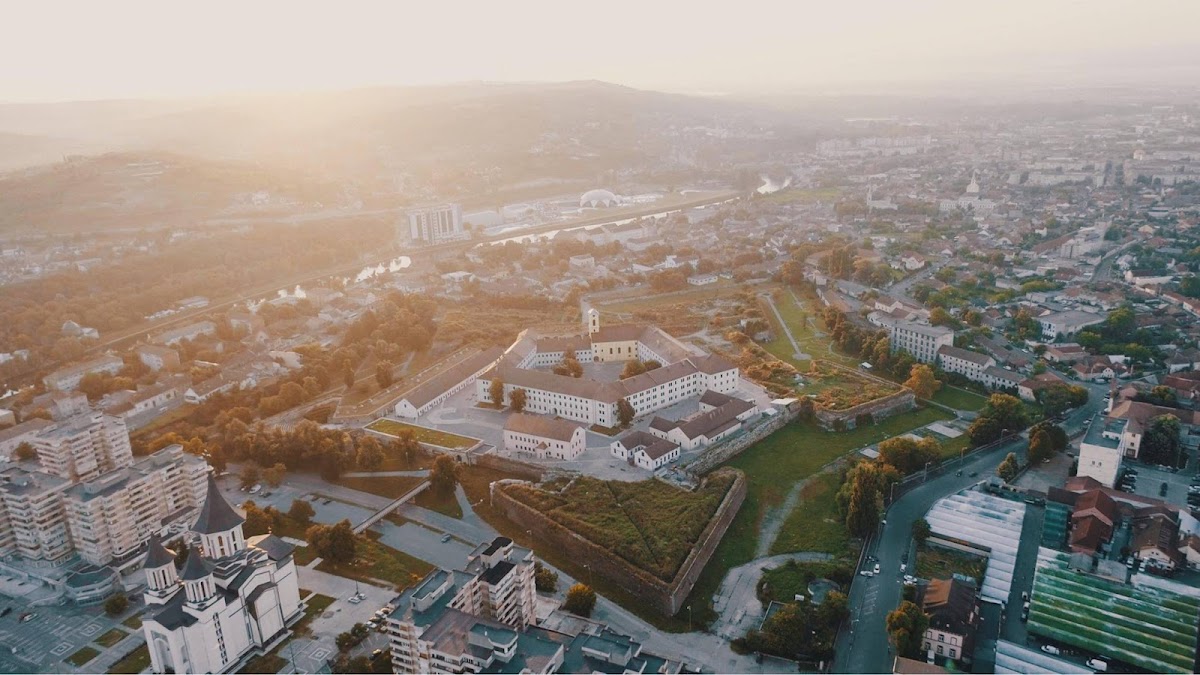
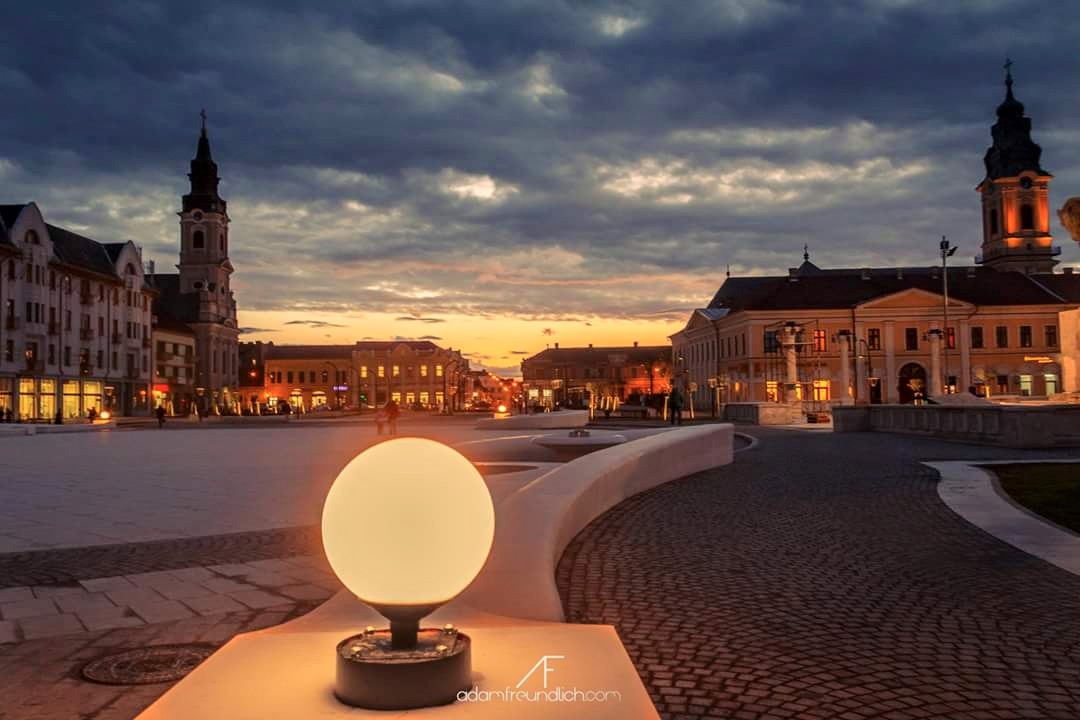
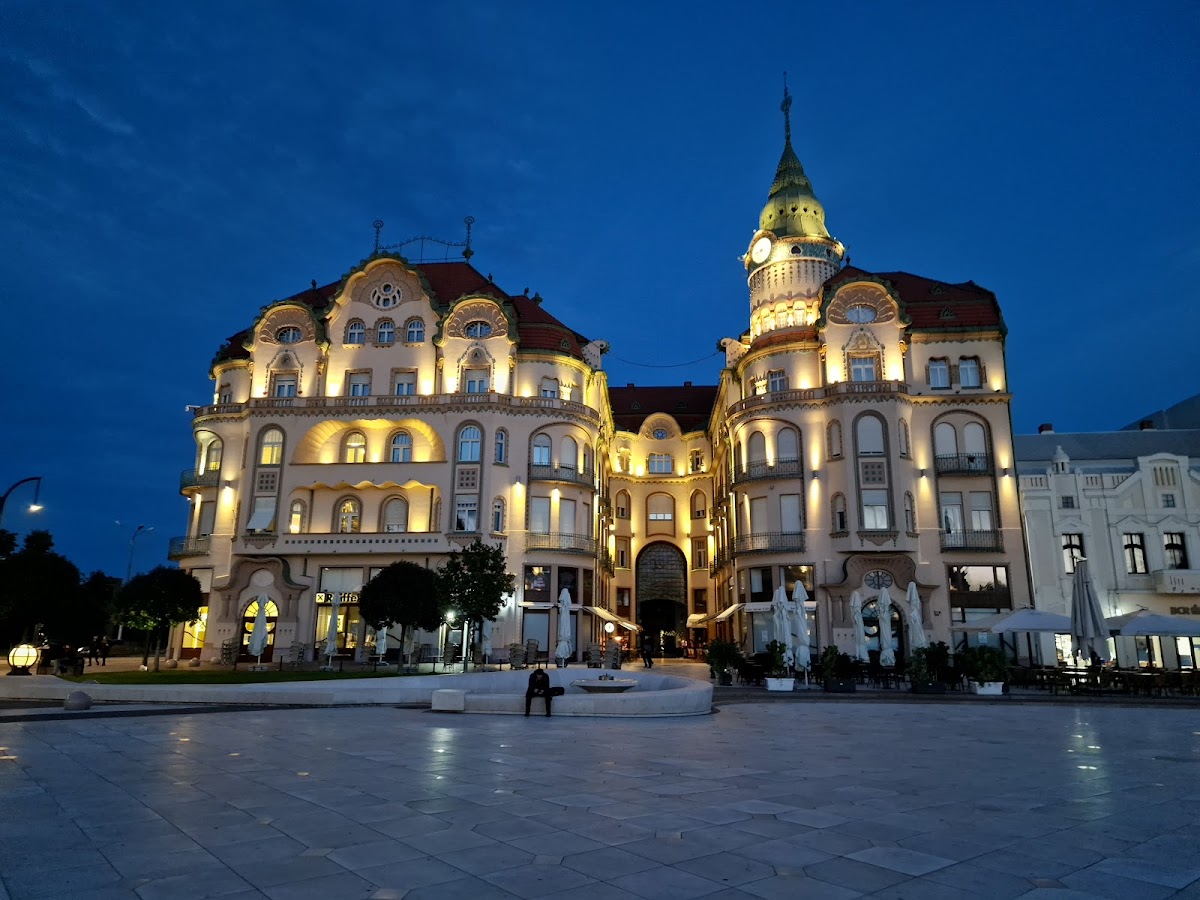
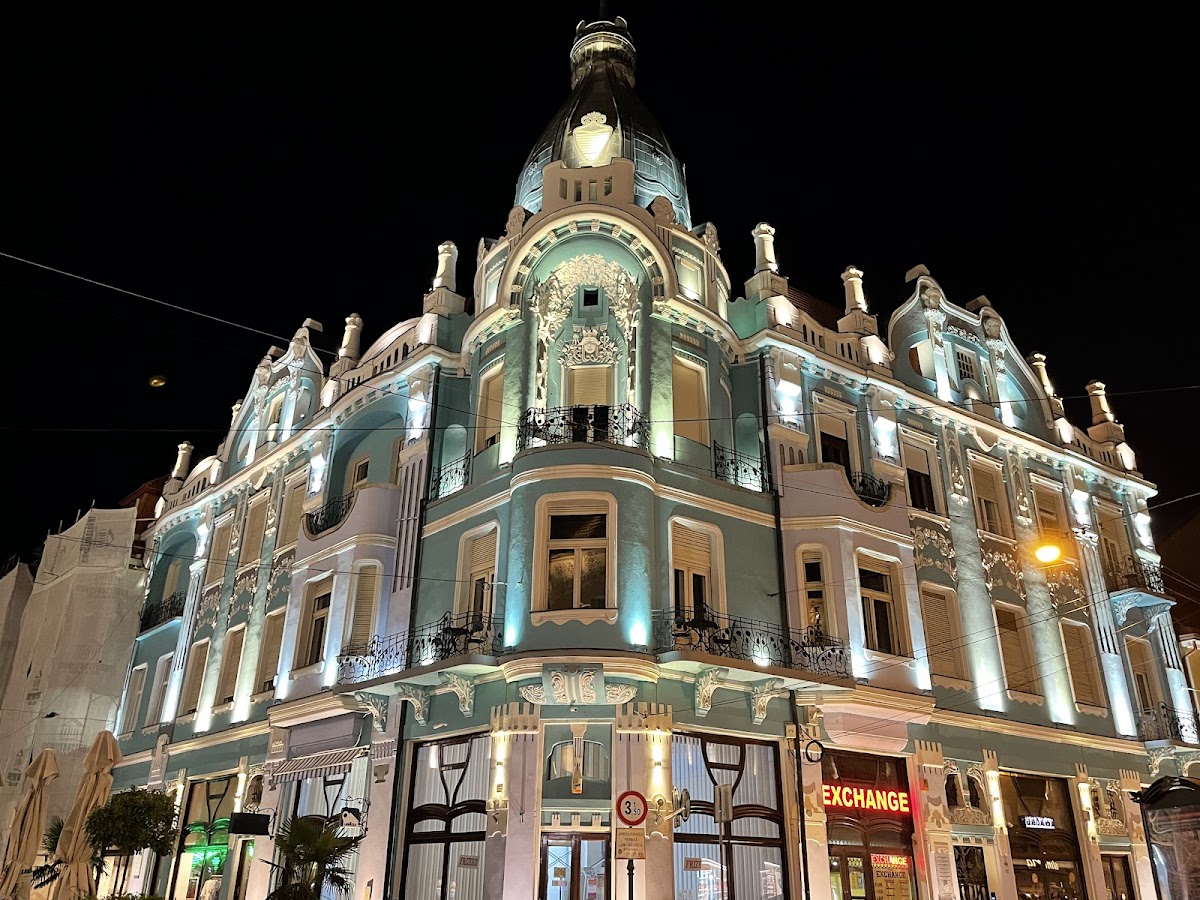
Oradea (200,000 inhabitants) is the jewel of Crisana, a city with over 100 Art Nouveau and Secession buildings that have earned it the nickname of "Little Vienna". The palaces in the center — Vulturul Negru (with a passage covered by spectacular stained glass), Palatul Moskovits, Palatul Stern — form a unique architectural ensemble in Romania. Oradea Fortress, one of the largest fortresses in southeastern Europe (area: 4.5 ha), hosts exhibitions, concerts, and a leisure park. Regina Maria Theatre (Viennese Baroque style) and Sion Synagogue complete the cultural circuit. The recently renovated pedestrian center has transformed Oradea into a top urban destination in 2026.
Baile Felix — A European Benchmark Thermal Resort
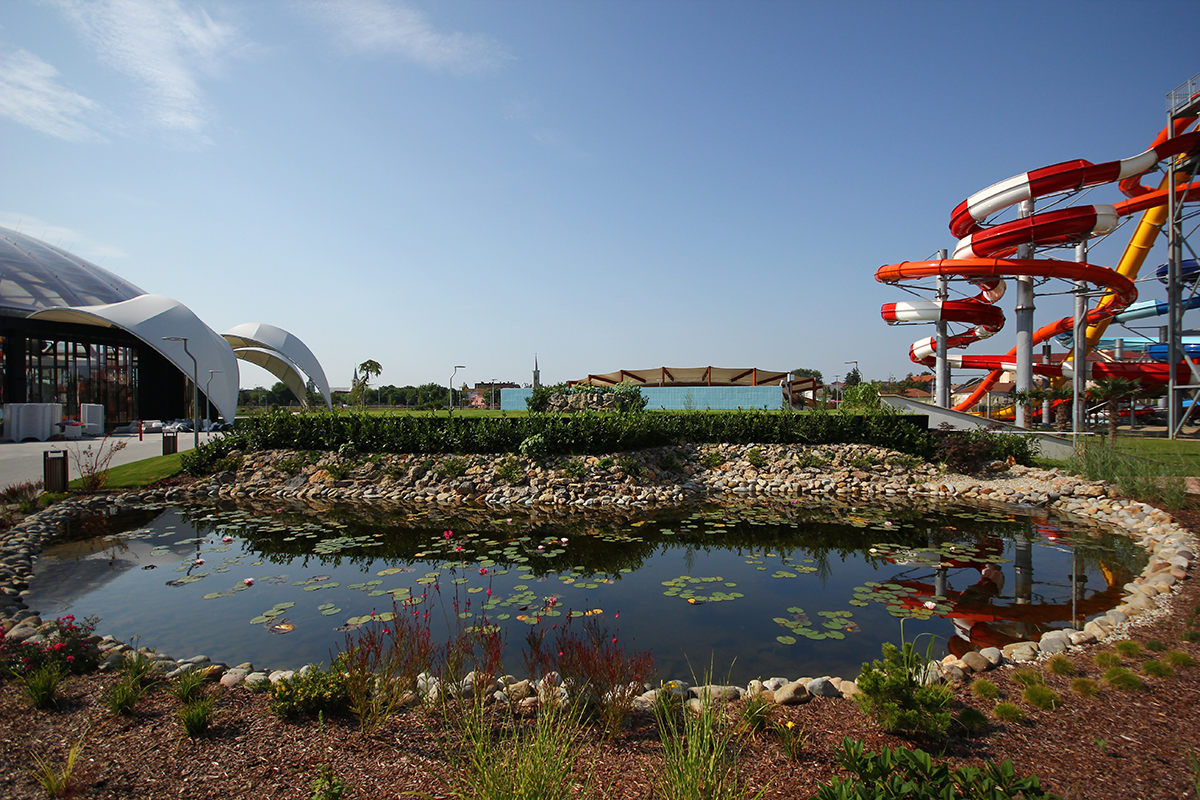
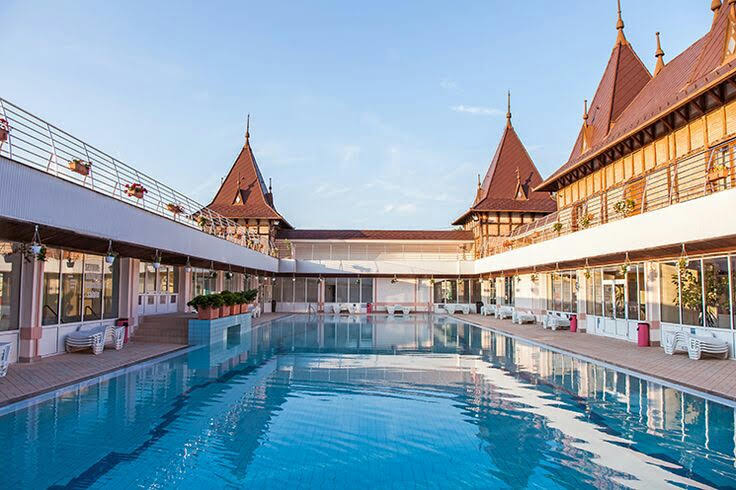
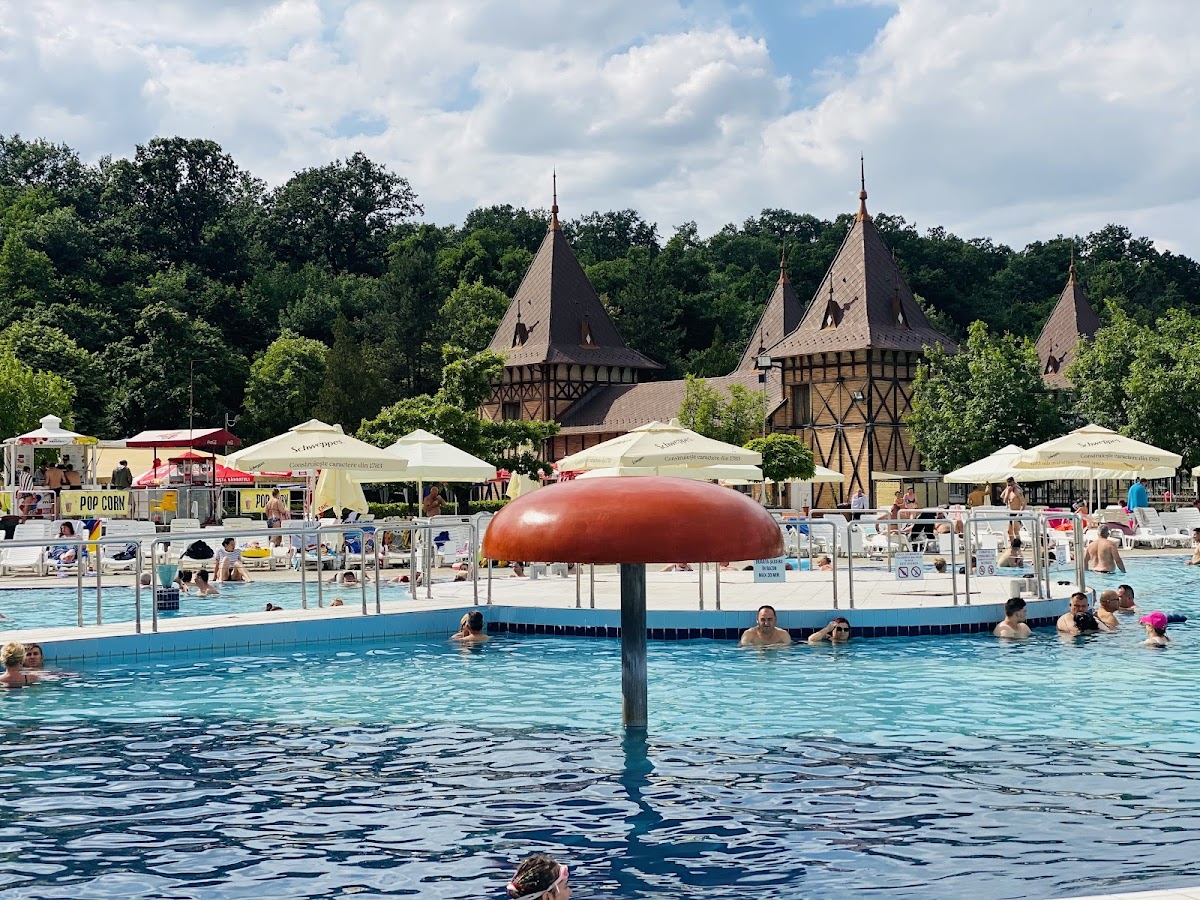
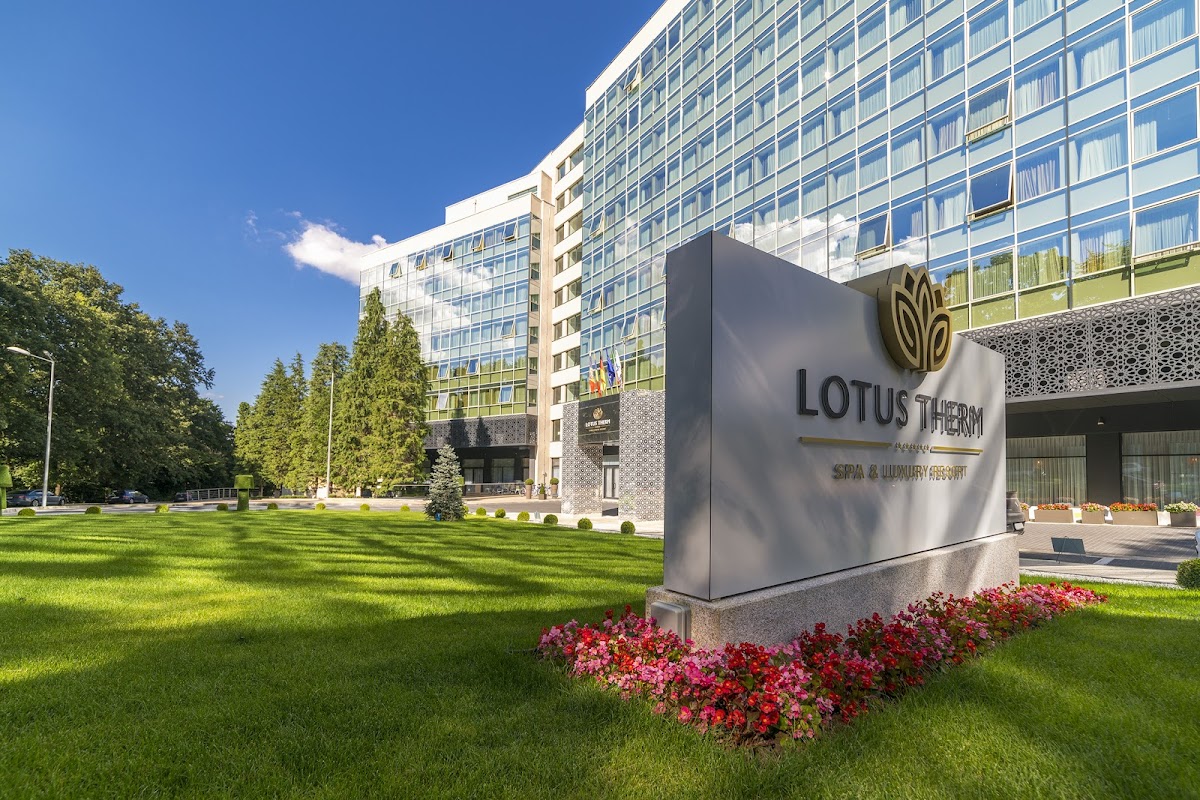
Baile Felix, located just 8 km from Oradea, is one of the largest and oldest spa resorts in Romania, with a thermal tradition of over 1,000 years. The thermal waters, with natural temperatures of 39–49°C, are renowned for their therapeutic properties (rheumatic, dermatological, neurological conditions). The thermal water lily (Nymphaea lotus var. thermalis), a relic from the Tertiary era that grows naturally in the resort's lake, is a unique feature in Europe. The complex offers indoor and outdoor pools, water parks (Aquapark President, Apollo), 3–5 star hotels, and state-of-the-art SPA treatments. Accommodation prices: 200–600 lei/night.
Padurea Craiului — Speleologists' Paradise
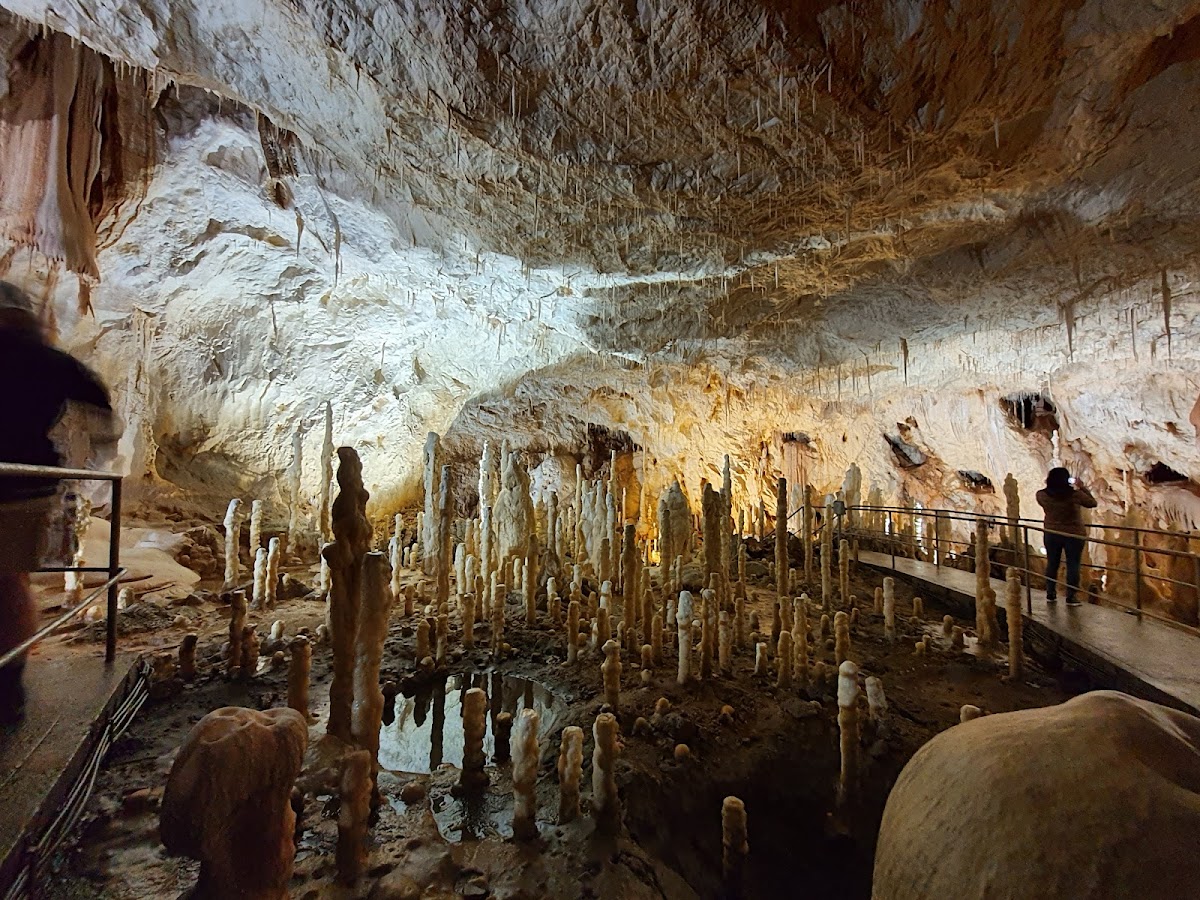
Padurea Craiului hosts the most spectacular karst relief in Romania, with over 1,500 caves, sinkholes, and dolines. Bear Cave in Chiscau, discovered in 1975, fascinates with stalactite and stalagmite formations millions of years old and skeletons of 140 cave bears (Ursus spelaeus). Meziad Cave (0.5 km tourist path, 5 km total), Vadu Crisului Cave (with an underground waterfall), and Ponor Fortress (a natural amphitheater with 3 entrances) are exceptional destinations. Cave temperature: constant ~10–12°C all year round.
Nature and Landscapes in Crisana
Beyond the caves, Crisana offers spectacular waterfalls (Boiului Waterfall — 15 m high), gorges and ravines (Crisul Repede Gorge, Misidului Gorge), hiking trails through beech forests and alpine meadows. Codru-Moma Mountains and Zarand Hills are less crowded than classic mountain destinations, offering an authentic nature experience with opportunities for mountain biking, climbing, and canyoning.
Gastronomy and Wines
Crisana's gastronomy reflects the region's multi-ethnic diversity. Dishes to try: langos (Hungarian doughnut with sour cream and cheese), beef goulash, pork aspic, tripe soup, and desserts with Austro-Hungarian influence (apple strudel, dobos, kurtoskalacs). The vineyards of Minis-Maderat, with a winemaking tradition of over 2,000 years (mentioned by Herodotus), produce exceptional red wines — especially Cabernet Sauvignon, Merlot, and Cadarca. The Wine Route in Minis-Maderat offers tastings at wineries like Cramele Recas and Pincauti.
Best Time to Visit
- Spring and Summer (May–September) — ideal for exploring nature, caves, and hiking. Temperatures: 22–32°C.
- Autumn (September–October) — harvest festivals and wine tastings in Minis. Autumn colors in the forests.
- Winter — Baile Felix offers thermal relaxation in a snowy setting, and Oradea hosts a charming Christmas market in the center.
Caves can be visited all year round — the interior temperature is constant (10–12°C).
How to Get to Crisana
- Oradea International Airport (OMR) — domestic flights (Bucharest) and a few international routes (low-cost).
- From Budapest — only 3 hours by car (260 km). Oradea is the first major Romanian city in the west.
- From Bucharest — 6–7 hours by car (600 km) or 10–12 hours by train.
- From Cluj-Napoca — 1.5 hours by car on the A3 highway (partial).
Frequently Asked Questions about Crisana
How many days are needed to visit Crisana?
2–3 days for Oradea and Baile Felix. Add 2 days for Padurea Craiului and caves. A 5-day stay allows for a complete exploration, including wine tastings in Minis-Maderat and hiking in the Codru-Moma mountains.
Is Baile Felix suitable for families with children?
Yes, excellent. The water parks (President, Apollo) have pools with slides and sections dedicated to children. Hotels offer special facilities, and the thermal water temperature is comfortable all year round. Water park prices: 50–100 lei/person.
Can I visit the caves with children?
Bear Cave and Meziad Cave are tourist-friendly with walkways, railings, and lighting, suitable for children from 5–6 years old. Wear closed shoes and warm clothes (10°C inside). Unprepared caves require equipment and a speleology guide.
How do I get to the caves in Padurea Craiului?
By car from Oradea, Bear Cave (Chiscau) is 80 km (1.5 hours). Meziad Cave is 70 km away. Roads are paved but winding. There is no frequent public transport — a car or organized tour is necessary. Parking is available at each cave.